

Product Releases
and Updates
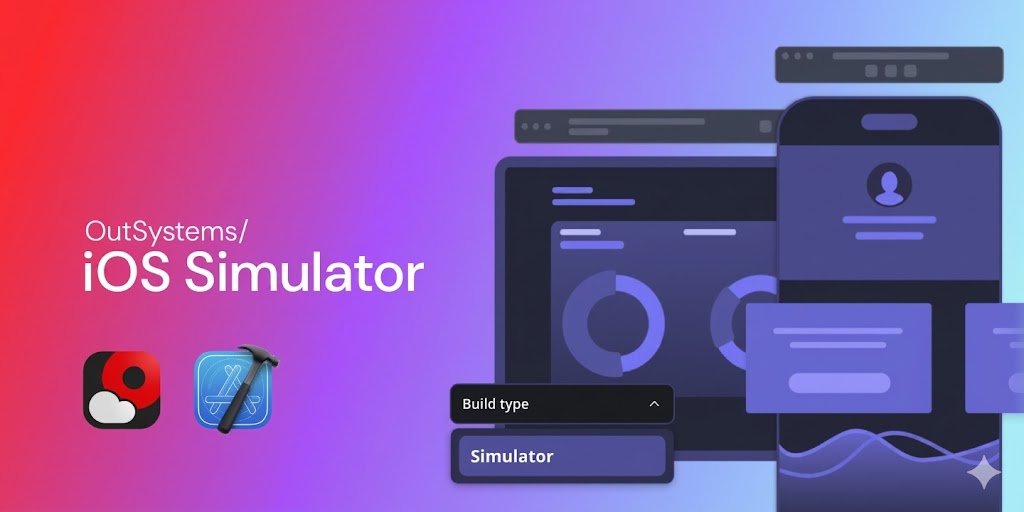
We’re pleased to introduce a new Simulator mobile build type in the ODC Portal. You can now generate a .app bundle directly without iOS certificates or provisioning profiles required, so you can move from implementation to validation instantly.
This update removes early-stage friction, simplifies workflows by eliminating Apple Developer setup, speeds up iteration with builds ready in minutes, and enables quick validation of UI and logic in the Xcode Simulator before committing to a full production build or App Store submission.
By removing administrative overhead, this build type keeps your team focused on building features rather than managing setup and configuration.
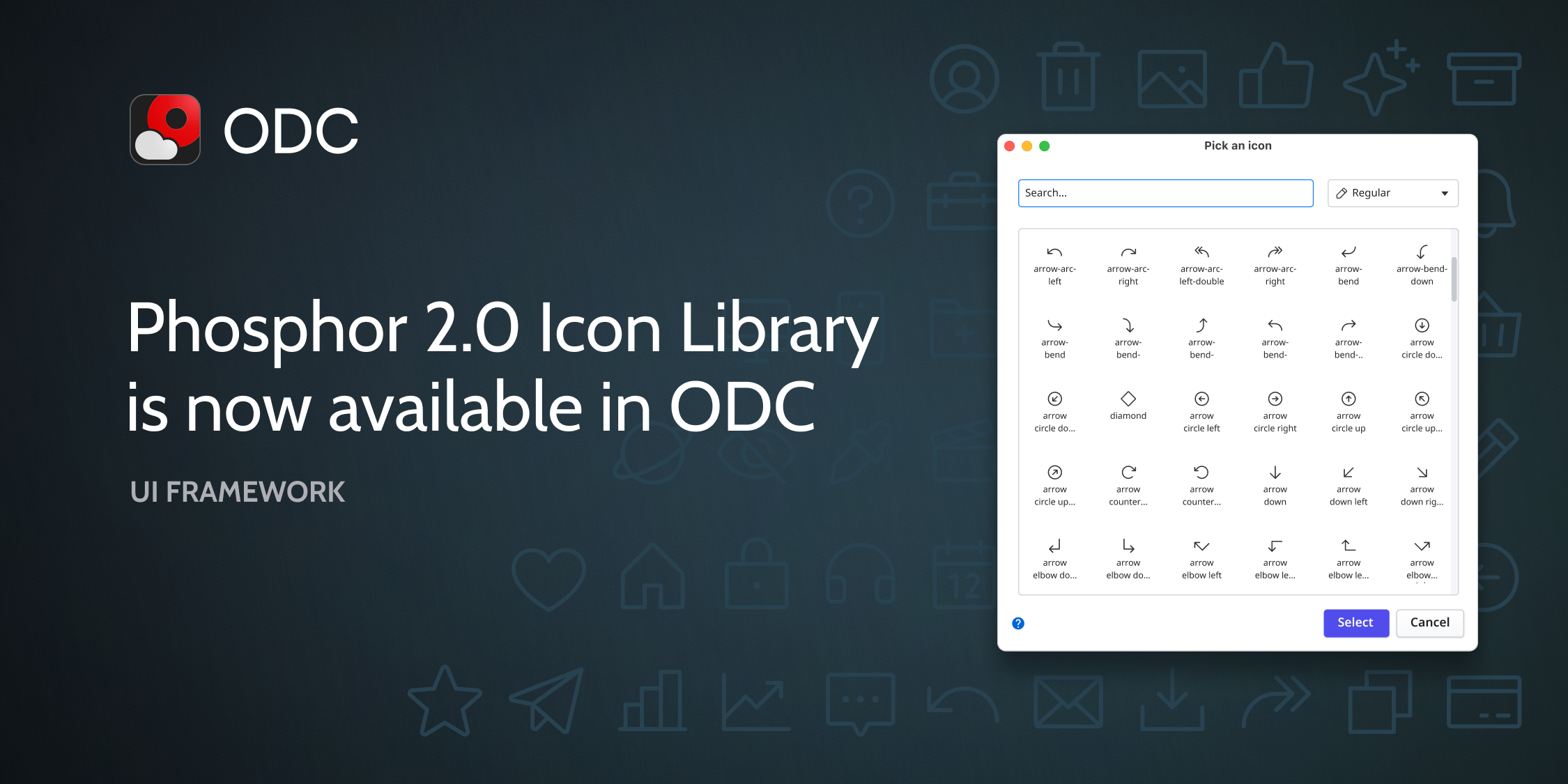
We are excited to announce the expansion of our icon ecosystem, offering more modern design choices and reducing the need for manual workarounds. OutSystems now natively supports Phosphor 2.0, providing a fresh, versatile visual language that aligns with enterprise design standards and elevates the user experience.
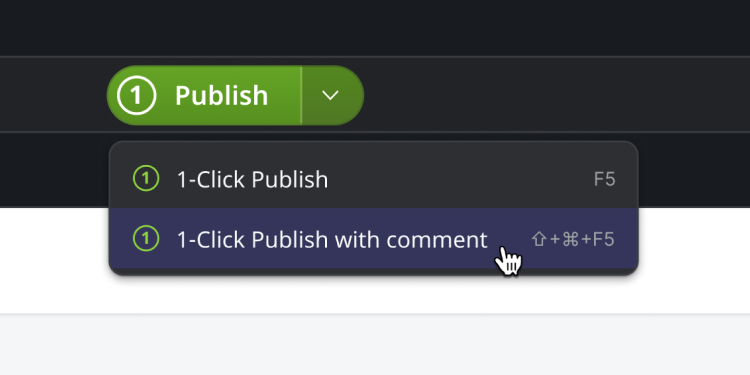
We are pleased to announce a significant enhancement to the 1-Click Publish experience in ODC and O11 Studio. Developers and Tech Leads can now provide essential context for every app or module version by adding descriptive comments directly at the time of publishing.
With this update, your version history transforms into a comprehensive narrative of your application's evolution. These comments eliminate the guesswork typically associated with tracking modifications, fostering better team collaboration and providing a clear audit trail for every change.
Key platform details:
- In OutSystems Developer Cloud (ODC): Comments are accessible via Studio > App > View Revisions, allowing for immediate review of the development timeline.
- Coming Soon to ODC Portal: We are working to bring this historical narrative to the ODC Portal, ensuring that platform administrators have the same high-level visibility into revision comments as developers.
- In OutSystems 11 (O11): The historical record remains available for review at any time in both Service Center and Service Studio, ensuring consistent governance across your infrastructure.
By detailing the "why" behind every publish, you ensure that your team remains aligned and that troubleshooting or rollbacks are supported by a complete historical record.
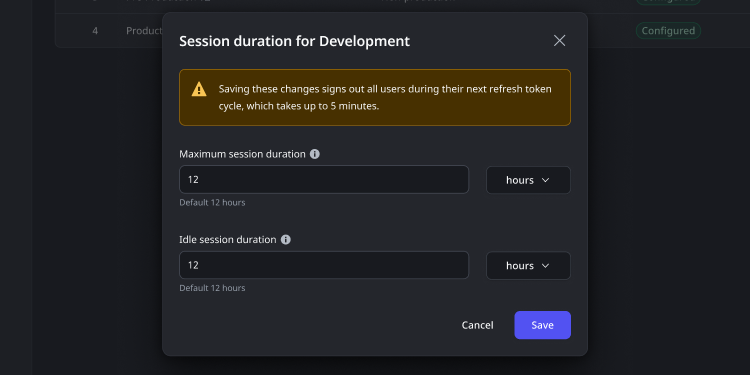
You can now independently customize user session durations and idle timeouts at the environment level within ODC, making it easier to align access policies with internal security standards and industry compliance requirements.
This added flexibility helps teams reduce security risks, simplify policy enforcement, and avoid manual support dependencies when configuring user sessions across environments.
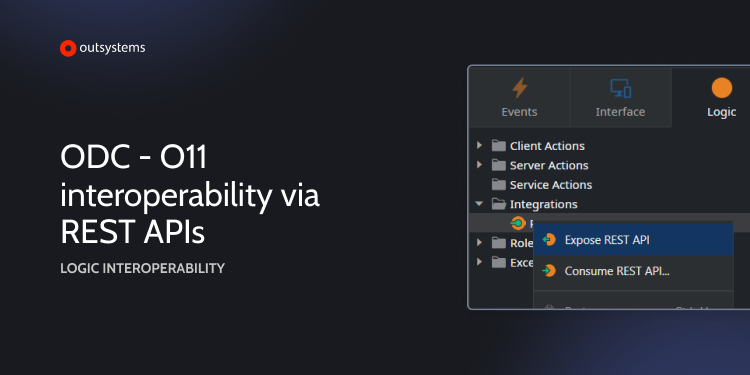
We reached yet another Interoperability milestone with the release of Logic Interoperability. You can now call your existing OutSystems 11 business logic—such as business rules and workflows—directly from ODC apps. No code rewrite. No duplication. No impact on your ODC Application Object (AO) count.
This update removes technical and commercial barriers, allowing you to use your trusted O11 logic in new ODC apps or call ODC AI agents from O11.
- Zero AO Impact: Reusing your O11 logic in ODC, or vice-versa, is AO-neutral by design. These actions do not count toward your ODC Application Object (AO) limits, protecting your current investment.
- Simplified Configuration: Define your "Interoperability intent" directly in Service Studio and ODC Studio. A simple toggle in the REST API properties enables the connection.
- Accelerated Development: Eliminate the need to rewrite complex, audited logic in a new environment, significantly reducing your time-to-market for cloud-native apps.
This capability ensures your O11 foundation remains the core of your business while you leverage ODC for new, AI-driven innovation.
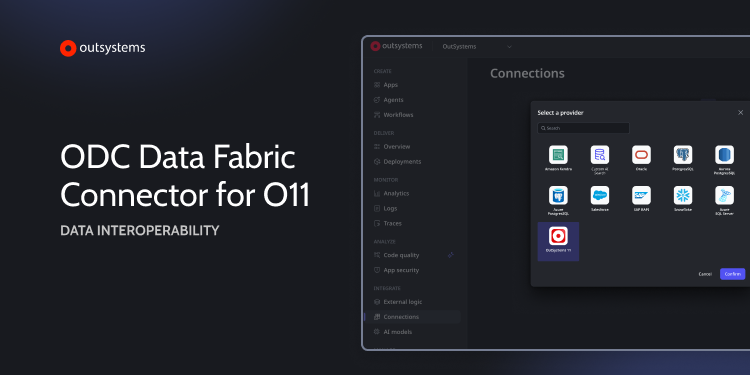
We are excited to announce the expansion of the ODC Data Fabric Connector for O11 capabilities. Following the initial release for SQL Server, we have now launched Read-Write support for O11 Oracle-based infrastructures. This release allows customers with Oracle footprints to innovate on ODC without the friction of manual data synchronization.
By enabling ODC applications to write directly back to O11 Oracle databases, we empower customers to:
- Extend Existing Apps: Build new ODC-based AI Agents or B2C portals that interact with current Oracle systems of record in real-time.
- Accelerate Time-to-Value: Reuse trusted business data without the need for complex REST API development.
- Maintain Single Source of Truth: Keep core business entities (e.g., Customer or Order data) in the O11 Oracle database while leveraging ODC's cloud-native scaling.
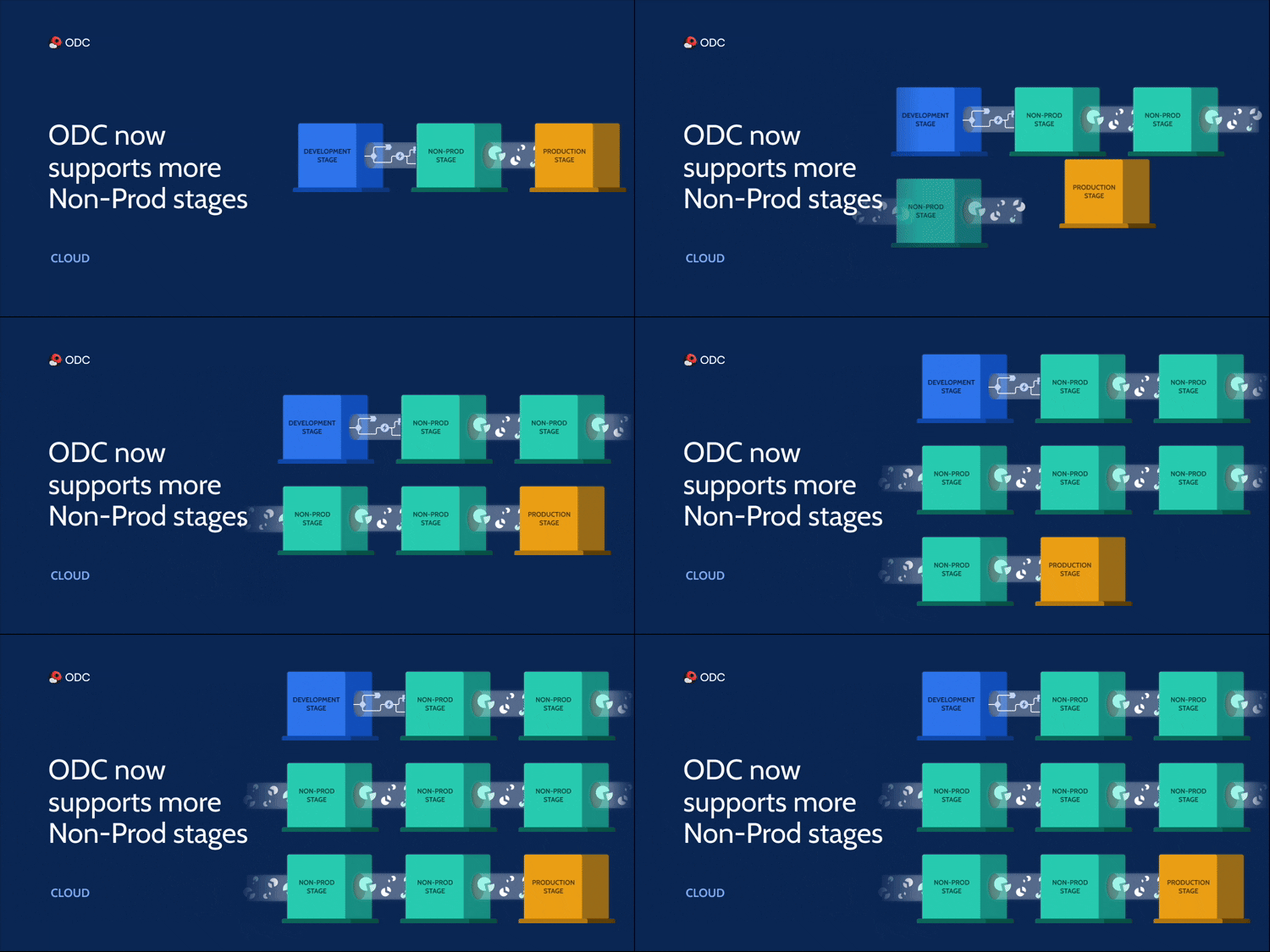
We are excited to announce an update to ODC that allows your infrastructure to grow alongside your development needs. We have officially removed the previous three-stage cap on Non-Production environments, providing the flexibility to add the additional stages required to support your unique SDLC. Whether your process requires dedicated environments for Integration, QA, User Acceptance Testing, or Staging, ODC now scales to accommodate the high-velocity delivery pipelines that modern enterprises demand.
Additional stages can be purchased separately. Click here for more information on deploying assets across multiple stages in your delivery pipeline
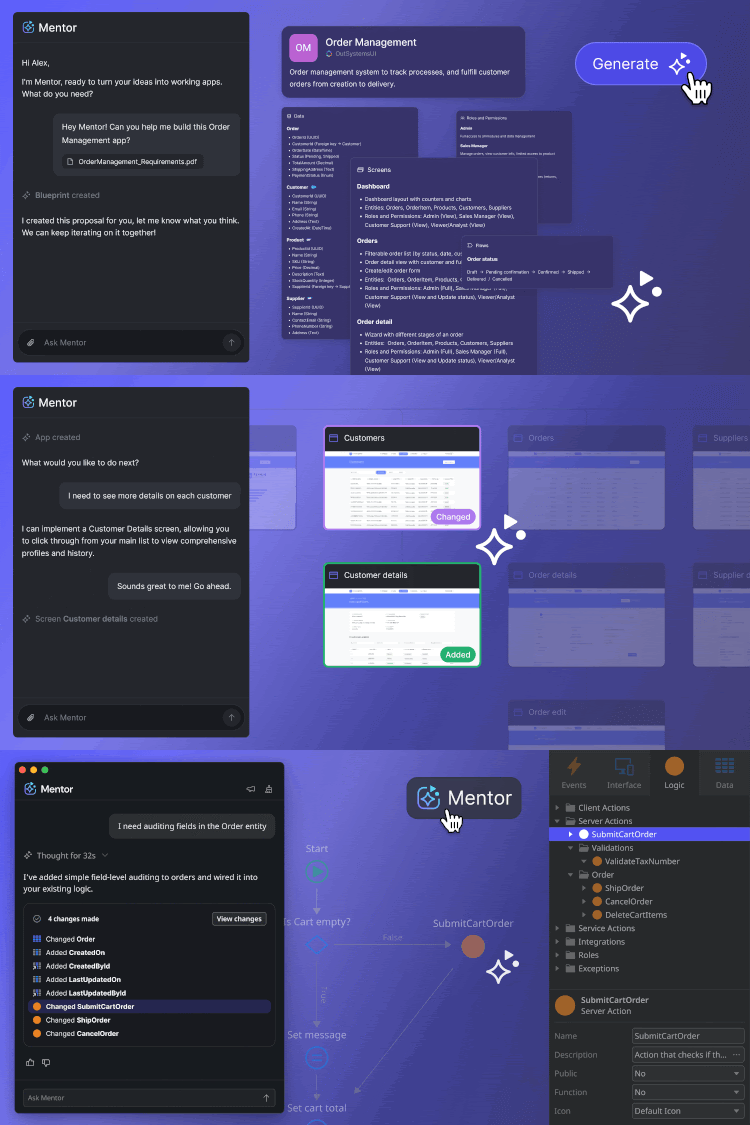
We are excited to announce the general availability of the next generation of Mentor in ODC. Designed for agentic-first development, Mentor combines the speed and power of AI with the precision of visual development, all grounded in the OutSystems Enterprise Context Graph, also known as the OutSystems model. It elevates developers into agentic systems engineers, enabling teams to move at the speed of thought while ensuring every change stays aligned with enterprise security, architecture, and operational standards.
New in Mentor App Generator
Mentor App Generator has received a major user experience upgrade. Its new conversational app generation experience enables builders to create applications by chatting with Mentor in natural language. Users can describe what they need in plain language, and Mentor asks clarifying questions as it iteratively builds the data model, logic, and user interface.
Mentor in IDE
With this release, we are bringing the power of Mentor directly into ODC Studio. Developers can now modify existing applications using natural language instead of manually navigating visual trees and configuring elements one by one. Simply open the Mentor panel and describe a goal, such as “add a comments feature to the Ticket entity” or “create a dashboard screen for order metrics.” Mentor analyzes the current application model, proposes an implementation plan, and applies changes after approval. It works across server actions, screens, entities, and logic, while respecting existing patterns, architecture, and integrations.
Better Together
Mentor App Generator and Mentor in IDE are designed to work as a single development thread. Teams can create an app in the Portal, refine it through conversation, then open it in ODC Studio and use Mentor in IDE to extend it further. Both experiences share the same application model and follow OutSystems standards for security, architecture, and code quality. Apps created through either experience are standard ODC applications, with no special handling required.
Why It Matters
AI development tools often create fragmented workflows. Mentor brings agentic speed into a unified development experience with built-in observability, security, and traceability, right where teams already build, manage, and run software. The result is faster delivery, fewer handoff points, and greater confidence that AI-driven changes are production-ready from the start.
We are excited to launch the Agent-to-Agent (A2A) connector for ODC. The A2A protocol is a standardized communication layer that allows ODC agents to programmatically discover and collaborate with external, non-ODC AI agents. By supporting a universal agent-card.json handshake, your agents can now automatically identify the skills of specialized tools like SAP or Salesforce bots. This removes manual integration friction and allows for complex, multi-turn conversations across different AI platforms. Whether triggering real-time travel rebookings or automating intelligent invoice processing across global systems, ODC now connects your entire AI ecosystem and enables seamless task delegation to your specialized external AI investments.
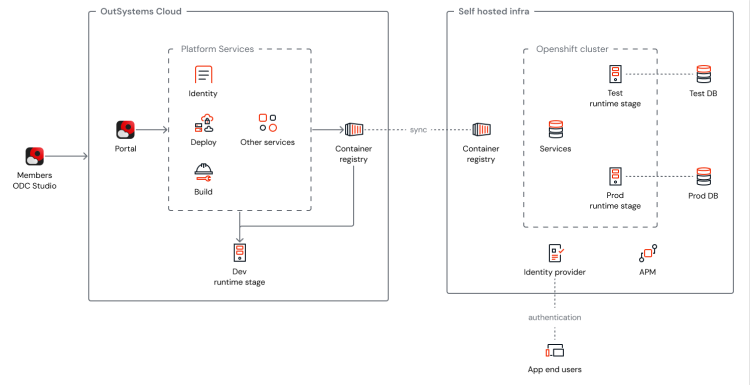
We are excited to announce a major architectural milestone for OutSystems Developer Cloud: self-hosted deployment. You can now run your mission-critical apps, data, and AI agents in your own private or public cloud, or on-premises Kubernetes infrastructure, while continuing to leverage ODC's automated platform management. By providing this deployment flexibility, we are addressing critical requirements for customers who need absolute control over their hosting environments due to stringent data residency, security, or regulatory compliance mandates.
This self-hosted model significantly enhances the developer experience by streamlining the path to production in complex network environments, particularly for high-volume on-premises workloads where remote connectivity was previously a bottleneck. By enabling single-tenant runtime provisioning directly from the ODC Portal and utilizing a secure pull mechanism for updates, businesses can achieve the agility of AI development without compromising their specific infrastructure needs. This ensures that even the most geographically distributed or highly regulated industries can scale their digital transformation efforts with confidence and efficiency.