
OutSystems competitors
Compare OutSystems with other agent development platforms, AI tools, and traditional development approaches to understand where each fits. See how OutSystems brings application development, AI agents, orchestration, and enterprise governance together for mission-critical work.
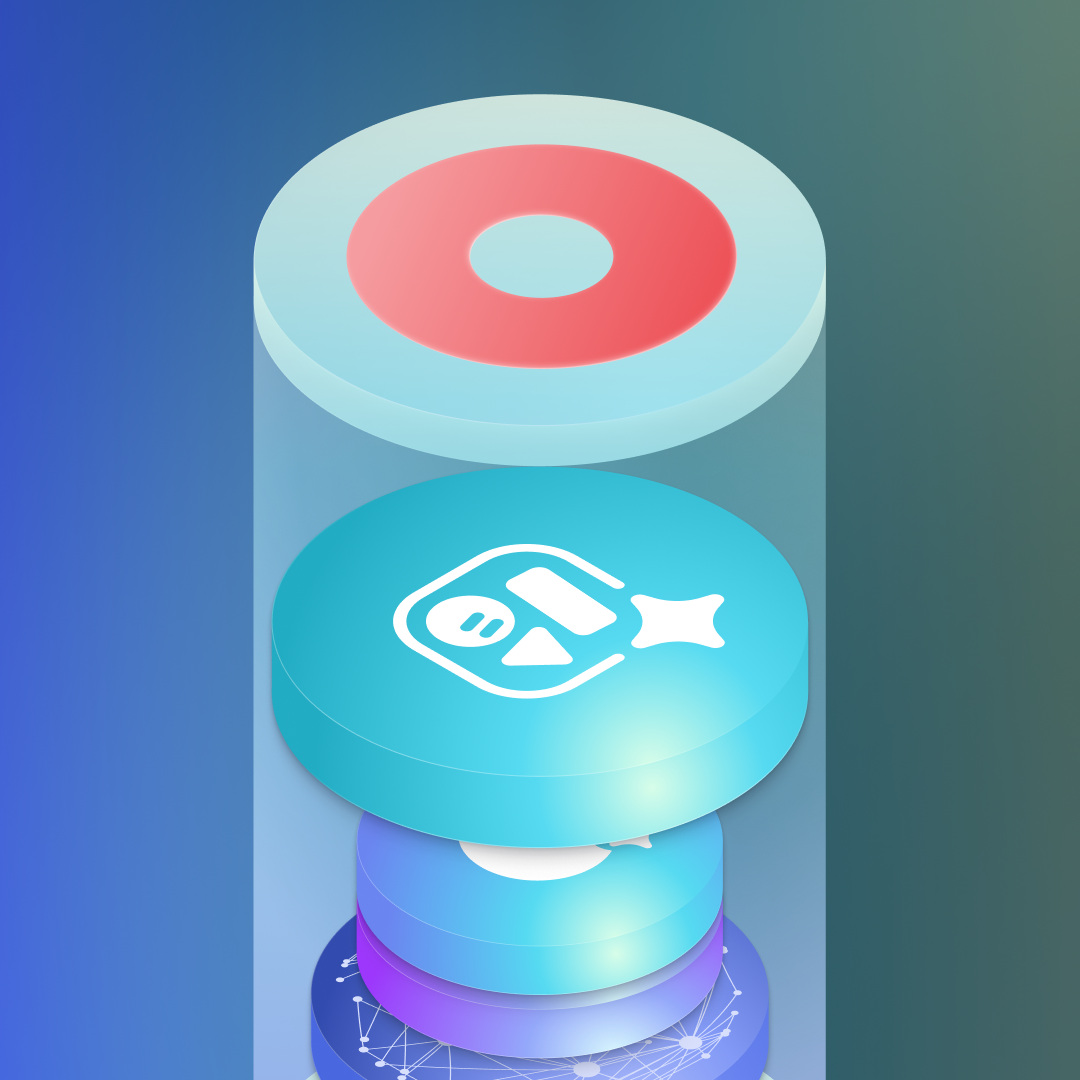
Compare OutSystems capabilities: Platform and competitor comparisons

Why enterprises trust OutSystems
Enterprises use OutSystems to build and modernize mission-critical applications while bringing AI agents and agentic workflows into production. With development, orchestration, and governance in one platform, teams can connect AI to enterprise systems and data while maintaining the security, scalability, and lifecycle control complex environments require.






Resources to support your platform evaluation
Frequently asked questions
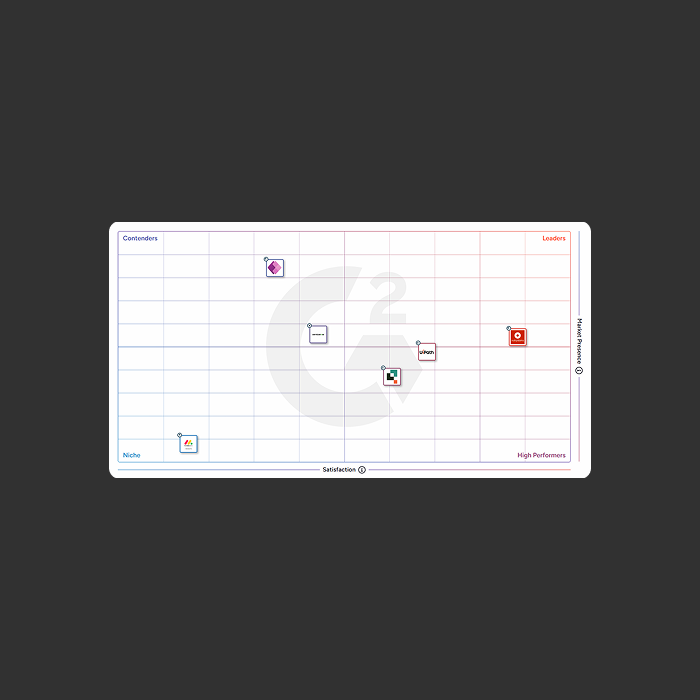
It depends on what you’re evaluating. For low-code application development, OutSystems is commonly compared with platforms such as Mendix and Microsoft Power Apps. Organizations considering complex custom applications may also compare OutSystems with traditional software development.
For AI and agentic use cases, the comparison set can expand to AI-assisted development tools, agent builders and workflow automation platforms such as Microsoft Copilot Studio, Workato, n8n, Replit and other AI development tools. The most useful comparison depends on whether the priority is application development, AI-assisted coding, agent orchestration, integration, governance or managing applications and agents throughout their lifecycle.
Prompt-driven tools can accelerate specific parts of development. Replit, for example, uses natural-language prompts to generate and refine applications, while n8n combines workflow automation with AI capabilities.
OutSystems takes a broader approach to AI-assisted development. Teams can use AI to accelerate how they build and modernize software while working within a governed development environment that also covers architecture, integrations, deployment and lifecycle management. OutSystems can also support modernization around AI-generated code rather than treating generated code as an isolated endpoint.
Both can support agentic workflows, but they approach the problem from different starting points. Workato documents agent orchestration through its recipe-based automation environment, where AI agents can execute tasks within multi-step business processes.
OutSystems combines agent orchestration with application and AI agent development. That gives teams a unified environment to build the applications, user experiences, business logic and integrations surrounding an agentic workflow, then manage and govern those systems throughout their lifecycle.
Many AI tools provide their own security, administration and governance controls. Those controls typically apply within that product and its workflows.
OutSystems provides governance across the applications and AI agents teams build and manage with the platform. Organizations can apply shared guardrails, access controls, monitoring and lifecycle practices while connecting AI to enterprise applications, systems and data. This is especially relevant when AI moves beyond individual experimentation and becomes part of production business processes.
OutSystems supports both. Teams can build internal applications that automate operations, approvals and employee workflows as well as customer-facing web and mobile experiences.
The more important considerations are the requirements behind the application: business logic, integrations, user experience, security, scalability, governance and how frequently the software needs to change. OutSystems is designed to support custom, mission-critical applications across those scenarios.
OutSystems doesn’t replace the need for software engineering. It changes how much of the underlying development and lifecycle work teams need to assemble and maintain themselves.
Its visual, model-driven development foundation combines reusable components, integrations, DevOps, security and governance capabilities in one development environment. Teams can focus more of their effort on the application’s business logic and user experience rather than rebuilding common platform capabilities for every project.
OutSystems is designed to accelerate development by combining visual, model-driven development with reusable components, AI assistance and integrated DevOps. That can reduce the amount of manual coding and lifecycle setup required to move an application from idea to production.
Actual development speed depends on factors such as application complexity, integrations, team experience and delivery practices. OutSystems customer stories provide examples of organizations accelerating application and AI agent delivery in production environments.
Legal disclaimer
All third-party trademarks, product names, and logos are the property of their respective owners. Information is current as of September 2026.