
OutSystems event-driven architecture: Say bye to brittle
Event-based apps are the gold standard for flexibility—and now they’re easy to build. Leave behind request-driven models and use OutSystems to move to the scalability and responsiveness of EDA.








Loosely coupled, less complex
EDA enables a loosely-coupled landscape for more flexibility and fewer disruptions. With OutSystems, you have the unified tool you need to make EDA a reality.

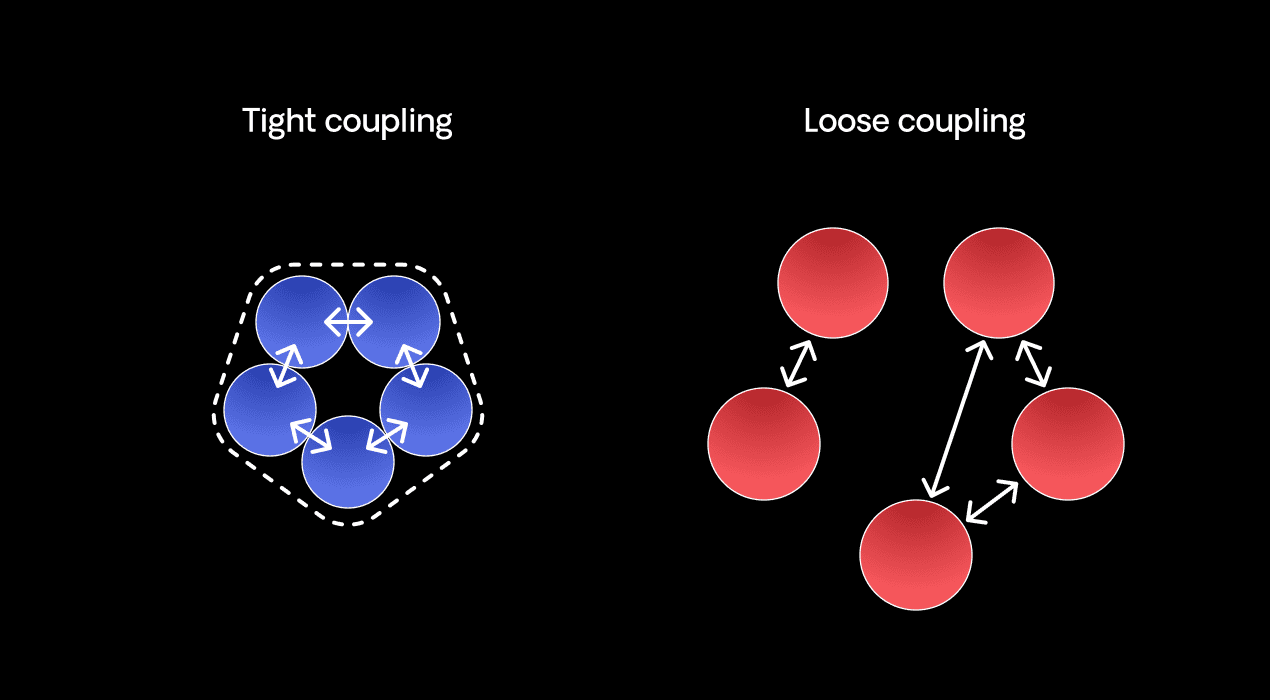

“The main purpose of the composable architecture is that you should never build something where you are stuck in a corner.”

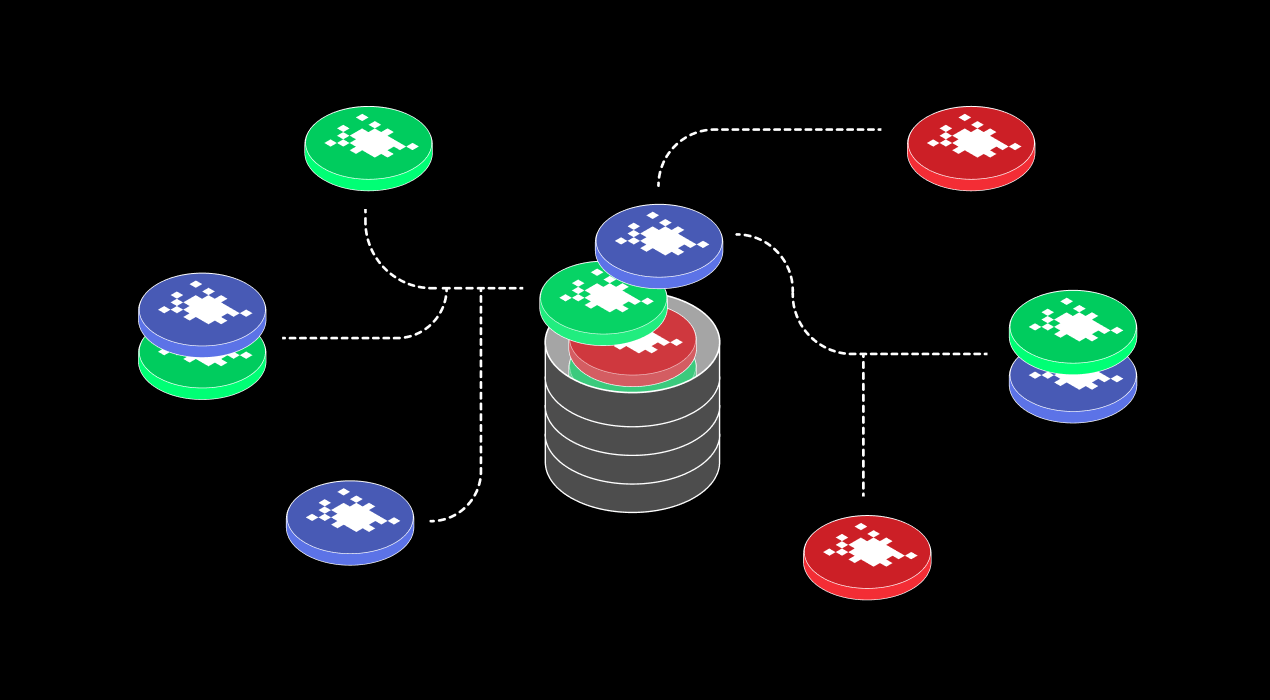
Move from monoliths to microservices
Break down monoliths into nimble microservices. Easier to build, easier to change, and easier to manage.
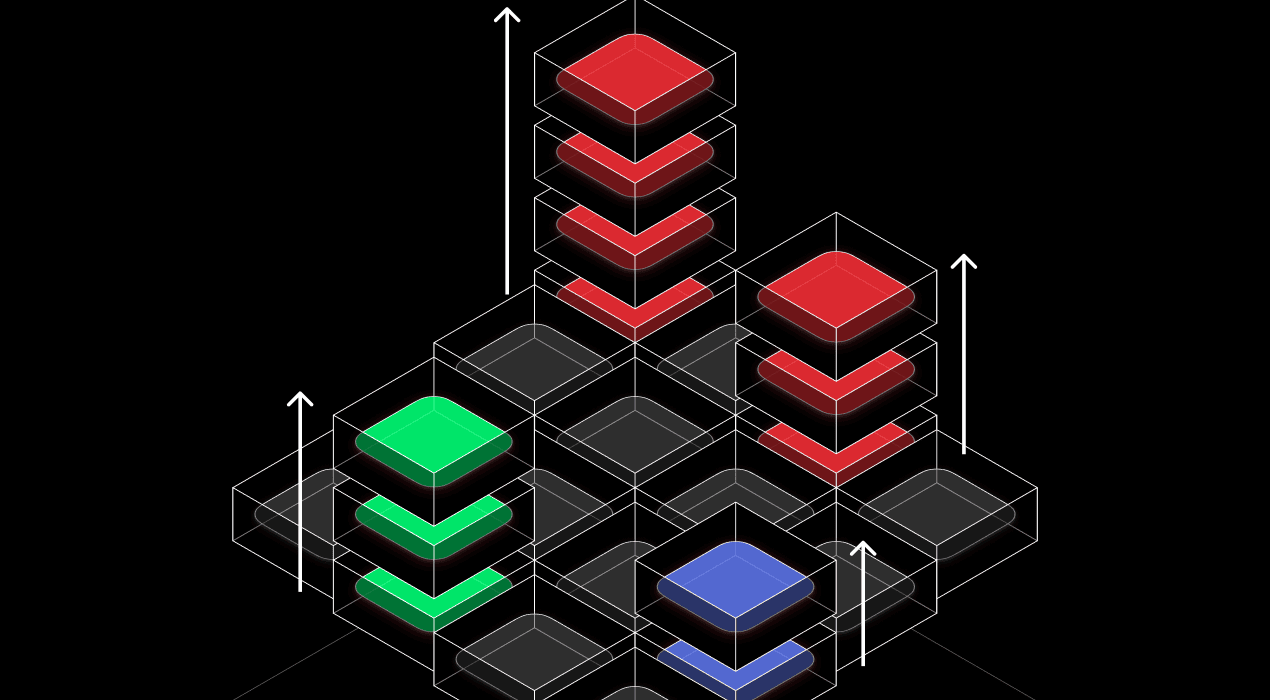
Scale easy, scale often
Event-driven architecture makes scaling simple. Easily respond to changing business needs by scaling individual components on demand.
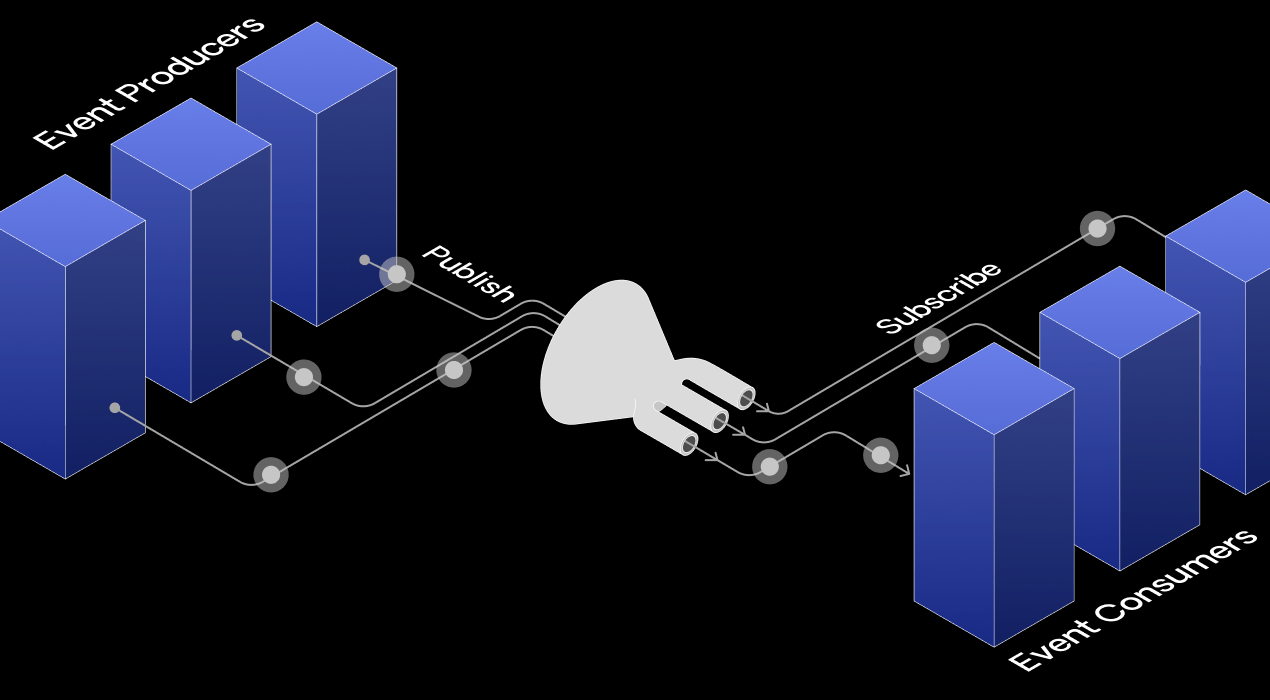
Get real-time (and async) with Pub/Sub
Use the Publish/Subscribe messaging pattern to enable real-time and async communication—without dependencies. Goodbye, delivery failures; hello, reliability.
Minimize failures, maximize fixes
EDA with OutSystems results in reduced dependencies and less custom code. That means fewer failures to begin with—and easier fixes if they do they happen.
Event-driven architecture FAQ
Traditional architectures are built of tightly-coupled services, which means that a single point of failure can disrupt an entire system. This impedes reliability and responsiveness, while also making it harder to scale or adapt to changing business needs.
In a conventional system, actions are driven by client requests that require a response from the server. As requests increase, server response time decreases. In an EDA-based system, however, actions are driven by events that are processed independently of each other and in parallel, making it easier for the system to handle high volumes of activity.
When building complex workflows within monolithic structures, there is no way to avoid intricate dependencies. EDA breaks down complex workflows into modular, independently deployable services, eliminating dependencies and making way for less brittle, more resilient logic.
In conventional request-driven models, actions only occur after a response is requested and then received from a server, which makes both near real-time and asynchronous communication difficult. In EDA, actions occur automatically based on detected events, which can be any significant occurrence or change in state.
Developers using traditional approaches to EDA have to write complex custom code for event-related tasks, which takes longer, requires expertise, and leaves room for error. With OutSystems, your dev teams are given the unified tool they need to easily take advantage of all the benefits EDA has to offer.
An event in OutSystems is a message that signals something happened, such as an order being submitted or a status changing. In an event-driven architecture definition, one app publishes an event and others subscribe to it asynchronously. This event-driven software architecture helps decouple applications and improve scalability.
In O11, business process technology is tightly connected to database events and triggers. In ODC, workflows use event-driven architecture with queues and asynchronous communication. Migration requires rethinking process logic, dependencies, and workflow patterns, but it also supports more scalable, loosely coupled applications built for cloud-native environments.
Yes. In ODC, events are considered an application object, which means they can affect OutSystems pricing and licensing. This is especially important for workflows built on event-driven patterns, because each event may contribute to AO consumption. Teams should factor event design into architecture and cost planning early.
OutSystems event processing supports high-volume asynchronous workloads, but limits still apply. For example, discussions referenced up to 10,000 events in a queue per event type, up to 100 execution threads, and event messages around 10KB. Teams should validate throughput, concurrency, and message size requirements during architecture planning.
Yes, OutSystems can integrate with external event streaming platforms such as Kafka or RabbitMQ, typically through REST APIs, custom connectors, or integration services. OutSystems also provides built-in event capabilities, so teams can choose native event-driven patterns, external brokers, or a hybrid approach depending on architecture standards.
Use event-driven architecture when one action needs to trigger downstream work without tightly coupling applications. Common patterns include order processing, notifications, data synchronization, and replacing timer-based batch jobs with real-time processing. The key is defining clear publishers, subscribers, payloads, failure handling, and governance before scaling event use.
When event processing fails, teams need retry logic, error handling, and monitoring to detect issues quickly. If a queue reaches its limit, the calling process can receive an error instead of silently accepting more events. Applications should handle failures gracefully, notify users or admins, and prevent downstream process disruption.
Yes. Events can support workflow automation that includes human approval or intervention. For example, an automated workflow can pause for a user action, such as reviewing or resubmitting an order, then continue when that action fires an event. This combines asynchronous processing with human-in-the-loop control.


How low-code helps overcome architecture challenges
This article shows why an enterprise-grade low-code development platform should be part of any IT ecosystem or enterprise architecture.

Accelerate innovation with Low-Code
Download our infographic to learn how low-code platforms address security, scalability, and availability for agile app development.

Agile Enterprise Architecture
Read this ebook and start solving for the need for agility with a secure, maintainable, available, and reliable enterprise architecture.