
Product Releases
and Updates
必要に応じて自分のペースでO11アプリをODCに変換。
モダナイゼーションの取り組みを加速させ、変換のスケジュールをしっかりと管理できるよう、O11 to ODC App Conversion Kitを一新し、今度はベータ版でリリースしました。
このエンドツーエンドのツールキットは、Forgeで入手可能な、移行の評価と計画を支援するr Conversion Assessment Tool(CAT)をベースに作成されており、エクスペリエンスを完全なものにします。アプリの評価が終わった段階で、新たに登場したCode Conversion機能とData Transfer機能により、手間のかかるコードストラクチャの変換や運用データのODCへの移動が自動化されます。
すでにODCテナントやO11インフラをお持ちの場合、CodeツールとDataツールには自動でアクセスできます。ODCテナントでManagement > OutSystems O11 > App Conversionに移動してオプトインすると、CATで準備した計画を変換できるようになります。
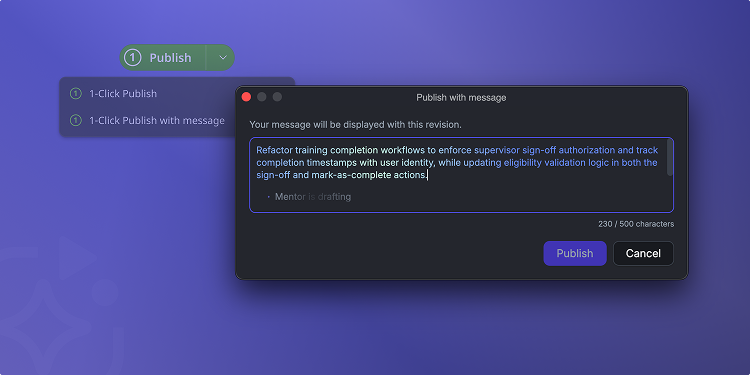
ODC Studioで1-Click Publishを行うたびに、変更箇所とその理由を記録できるようになりました。現場では、こうした記録は省略されるか、「修正」や「アップデート」といった言葉でまとめられるケースが多くあります。その結果、後でリビジョンを比較したり、ロールバックを行ったり、リグレッションの追跡を行ったりする際に、コードから意図を読み取る手間が生じることになります。
そこで、Mentorが代わりに1-Click Publishメッセージを作成するようにしました。メッセージありでのパブリッシュを選択すると、ユーザーがコミットしようとしている変更(画面、ロジック、データ、依存関係の新規作成や修正)をMentorが分析し、わかりやすくまとめたものを提案します。ユーザーはそれをそのまま受け入れるか、パブリッシュ前に編集を加えるか、Mentorに書き直しを依頼します。
こうすることで、誰でも活用できるリビジョン履歴ができあがります。この明確で一貫したメッセージがあることで、バージョンの比較や変更のロールバック、他のメンバーの作業のレビューを行いやすくなります。
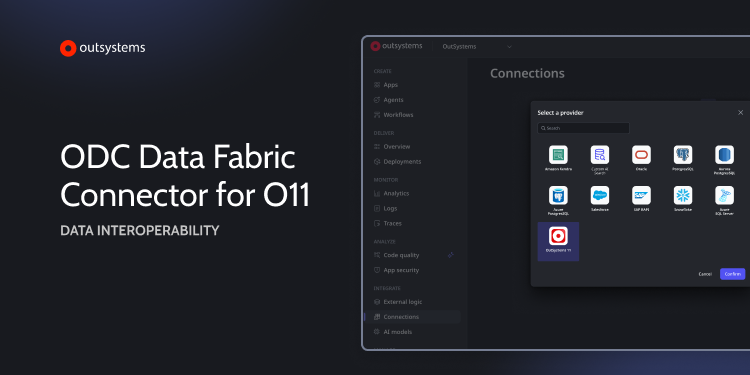
ODC Data Fabric Connector for O11が、O11のセルフマネージドインフラで複数データベースカタログをサポートするようになりました。今回のアップデートは、ストレージ管理や規制対応、パフォーマンス分離などのためにデータベースレベルでのデータ分離を実施するエンタープライズユーザーを対象としています。
変更点は以下のとおりです。
- 一貫性のあるデータ分離: コネクタが自動的に適切なデータベースカタログへとルーティングするため、ODCにデータをブリッジする際に既存のO11データの分離ルールを保持できます。
- 運用の柔軟性: O11データベースの構成とアクセスポリシーが変更されることはありません。コネクタが既存の設定に適応します。
- AOに影響を及ぼさない利用: データベースカタログの構成にかかわらず、ODCでのO11エンティティの利用がAOに影響を及ぼすことはありません。
今回のアップデートにより、複雑なデリバリーアーキテクチャを持つ組織が、既存のデータ境界を崩すことなく、孤立した複数のカタログに保存されているビジネスデータをODCベースのAIエージェントのグラウンディングとすることが可能になります。
このたび、OutSystemsは英国政府の取り組みであるCyber Essentials Plusフレームワークへの完全準拠を果たしました。OutSystems11とOutSystems Developer Cloudの両プラットフォームが対象となります。この極めて厳格で独立的に検証されたセキュリティ管理を導入することで、OutSystemsは幅広いサーバー脅威に備えてインフラの守りを固め、組織のデジタルトランスフォーメーションイニシアチブを支える非常にセキュアな環境を提供できるようになりました。
この認証は調達プロセスの迅速化に直結し、英国の公共事業、医療、金融サービスをはじめとする規制の厳しい組織でのガバナンスを簡素化します。こうした厳格な標準に沿った基盤を使用して開発することで、開発チームは複雑なコンプライアンスへの対応に苦慮することなく、エージェント型システムの構築に集中できるようになります。
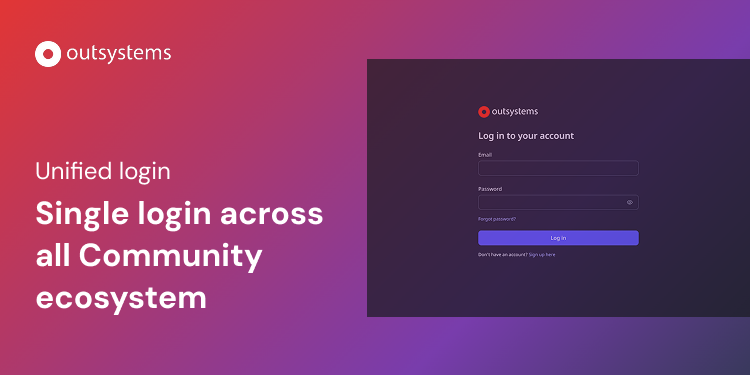
このたび、製品ごとにサインインが求められていた認証エクスペリエンスを刷新し、コミュニティやO11 Personal Environment、ODC Personal Editionへの一元ログインが可能になりました。
IDは、メールアドレスが変わってもエコシステム全体で一貫したものとなり、システム間でのパスワードの複製が不要になります。
今回のアップデートで可能になること:
- 一度サインインすれば、それ以降は認証を促されることなく、コミュニティ、O11 Personal Environment、ODC Personal Edition間を自由に行き来できます。
- 既存の資格情報をそのまま使用できます。移行や新たなアカウントは必要ありません。
- メールアドレスが変わっても、OutSystemsコミュニティのエコシステムで一貫したIDを保持できます。
- よりセキュアな認証基盤のもと、複数のシステムでパスワードを保存したり複製したりする必要がなくなります。
- リンク単体でのアクティブ化よりも信頼性が高くセキュアな認証コードを使用してアカウントをアクティブ化できます。
開発を始めるには

使用していない依存関係は時間とともに増えていき、アプリケーションからアクティブに呼び出されることがなくても、デプロイの破綻や予期せぬランタイムエラーの原因となります。それでも、こうした依存関係はデプロイ計画の一部であり続けるため、が、アプリで互換性を破る変更が不要なモジュールによって引き起こされるのです。
そこで、O11ではデプロイ計画の作成中に、使用していないプロデューサの参照をLifeTimeで直接警告するようにしました。たとえば、ウィジェットやパターンが使用されていないOutSystems UIへの参照や、アクションやエンティティの呼び出しが一切ないにもかかわらずリファクタリング後も保持されているプロデューサモジュールなどです。ステージングの前に、フラグの付いたプロデューサの一覧が表示され、削除するか、計画を再作成するか、完全な可視性をもって続行するかを選択できるようになります。
最小バージョン: Platform Server 11.41.1、LifeTime11.32.0。
OutSystems Forgeで、製造業向けのOutSystems Agetic Industry Solutionsポーとフォリオを拡充するi3X Connectorが利用可能になりました。ベンダーに依存しないオープンなAPIであるCESMIIのi3X™標準を、OutSystemsプラットフォームですぐに利用できるODCサーバーアクションとして取り入れられるようになるため、製造業において各ベンダー向けの連携をひとつひとつ作成することなく、製造現場のデータをアプリやエージェントに接続できるようになります。
CESMII(Smart Manufacturing Institute)が開発したi3Xは、脆弱なポイントツーポイントの連携を、複数のベンダーのIT/OTシステムで共通のAPIに置き換えます。このAPIに接続するためのコネクタを使用することで、コンテキスト化された製造データがヒストリアン、アセットモデル、テレメトリストアなどどのようなプラットフォームを使用していても、OutSystemsのアプリやエージェントで読み込み可能になります。ベンダーロックインが発生したり、アプリへのサーバー詳細設定が必要になったりすることはありません。
機能:
- i3Xでの読み込みはサーバーアクションになります。20個中17個のi3X v1エンドポイントについて、名前空間、オブジェクトタイプ、オブジェクトを閲覧し、現在と過去の値を読み取ります。そして、同期ポーリングループにより値の更新をサブスクライブします。HTTPの処理やカスタム連携コードは不要です。
- あらゆるi3X v1サーバーと接続可能です。サーバーのURLと認証が各呼び出しに付随するので、1つのアプリが複数のサーバーと通信できます。また、認証なし、Bearerトークン認証、APIキー認証のいずれも、コード変更なしでサーバーが動作します。まずは公開されているi3Xデモサーバーで試してから、自身のサーバーと資格情報をご利用ください。
- 失敗はクラッシュではなくデータとなります。すべてのアクションは、「成功」フラグと正規化されたエラーを返します。呼び出しは分散トレースの情報とともにODCの監視に表示されます。サーバーの資格情報がログに記録されたりトレースされることはありません。
コネクタのアクション:
- Discovery and explore: サーバーの情報と機能、名前空間、オブジェクトタイプ、リレーションのタイプに関するアクションです。
- Objects and values: オブジェクトとそれに関連するオブジェクトを一覧にしてクエリを行うアクションです。現在と過去の値を、指定した詳細度で読み取ることもできます。
- Subscriptions: サブスクリプションの作成、監視する項目の登録、シーケンス追跡ありの更新のポーリング、終了後のクリーンアップを行うアクションです。
i3X Connectorは、複製して使用する連携アクセラレータとして提供されます。これはコミュニティに依存しないExternal Logic(C#)ライブラリであり、BSD-3-Clauseライセンスが適用されています。
.png)
Mentorは、アプリケーションコードの生成により開発を加速させますが、何を実装するかを判断するのは引き続き開発者の役割です。新たなビジュアルレビュー機能を使用すると、Mentorが提案した開発計画を詳細に確認し、アプリケーションへの影響を把握して、アーキテクチャ、要件、品質水準に即した変更のみを承認することができます。
主な機能は以下のとおりです。
- 計画の視覚的比較: 現行のコードベースの状態とMentorが提案した計画を横並びでわかりやすく表示します。
- 影響分析: 実装を始める前に、提案されている変更ではどのODCアセット(エンティティ、サーバーアクション、画面)の作成、修正、削除が行われるのかを確認できます。
- 選択的実装: 計画全体を受け入れるのではなく、適用したい提案を選択することができます。望ましい変更は取り入れ、そうでないものは却下することができます。
ワークフローの確認と承認というステップを実装前に取り入れることで、Mentorは透明性と制御性を確保し、AIのスピードを活かしつつも、すべての変更を開発者の意図に沿った、基準を満たすものにします。
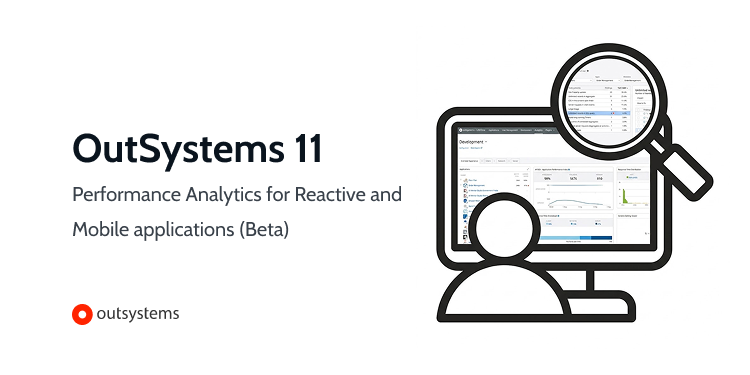
ビルトインの監視ツールであるLifeTime Analyticsを強化して、リアクティブWeb/モバイルアプリケーションのパフォーマンスに関するインサイトを設定なしで取得できるようにしました。
これで、顧客、ネットワーク、サーバー実行の詳細な分類と、アプリケーションポートフォリオ全体のApdexスコアを活用できるようになります。Code Quality(旧称「AI Mentor Studio」)と組み合わせることで、リアルタイムのパフォーマンスデータをコードベースのインサイトに直接接続します。悪化している画面をLifeTime Analyticsで追跡して、原因となっているコード検出事項を把握し、O11で迅速にトラブルシューティングすることができます。
本機能は現在ベータ版での提供となっており、手動での有効化が必要です。
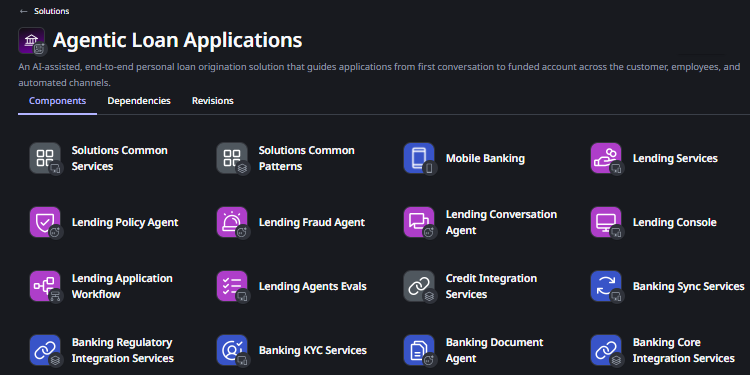
このたび、OutSystems Agentic Industry Solutionsポートフォリオを拡充する銀行向けの機能として、Agentic Loan Applicationsが登場しました。顧客向けのアプリケーション、ガバナンスを備えたエージェント、そして決定論的なワークフローを個人向け融資の1つのビルド済みシステムとして提供し、銀行が独自の商品、ポリシー、既存のバンキングシステムに適用できるようにしています。
本ソリューションは既存のバンキングシステムの上位レイヤーに構築されます。ポリシー、システム、依存関係といった銀行独自の運用コンテキストにエージェントが接続できるようになっているため、銀行側で融資の決定を制御しつつ、より効率的で正確な運用を実現できます。
機能:
- ガイド付きのエージェント支援型アプリケーションジャーニー: 対話型エージェントが、意図の把握、書類の収集と検証、身元と制裁のスクリーニング、そして既存のローン組成システムに渡す申請書へのまとめを行い、個人の無担保ローン申請者を支援します。
- 本番移行前のエージェント評価: どのバンキングエージェントも、妥当性、正確性、個人情報保護などの基準を網羅した10を超えるエージェント評価を受けています。また、モデルやプロンプト、ツールに変更があった場合は都度再テストを行い、エージェントがガードレールを確実に遵守できているかを確認します。
- コストと正確性を意識したテスト済みのモデル選択: OutSystemsは、Amazon Bedrockのモデルや事前選択済みのモデルを複数評価し、 最適な動作と最大82%のコスト削減を実現できるものを厳選しています。銀行側は、データの制御を維持しつつ、自行の商品、ポリシー、既存のバンキングシステムに応じてシステムを構成することができます。
ソリューションに含まれるもの:
- アプリ: ローン申請を開始・追跡するための顧客向けチャネルであるMobile Bankingに加え、融資担当者がAIの支援を受けながら申請の確認、処理、進行を行うバックオフィスワークスペースであるLending Console。
- エージェント: Lending Conversation Agentが、申請の検討から提出まで顧客にガイドを提供します。Lending Policy Agentは、商品、料金、条件などについての質問に、承認済みのドキュメントのみに基づいて回答します。Banking Document Agentは、融資の裏付け書類を検証し、具体的で追跡可能な齟齬にのみフラグを立てます。Lending Fraud Agentは、エビデンスに裏付けられた不正、KYC/AML、信用リスクインジケータを提示し、判断を担当する人間に知らせます。
- ワークフローとサービス: Lending Application Workflowが、申請、規制上のスクリーニング、リスク・不正評価、与信確認、融資担当者による検証、最終的な融資条件の提示、そして口座作成または不利益処分通知というライフサイクル全体のオーケストレーションを担当します。融資の状態、ステータスの履歴、監査については、融資サービスレイヤーに一元的に保存されます。
- 連携ゲートウェイ: 安定した定義ファイルが、信用情報機関、規制当局、コンプライアンス(OFAS規制、FinCEN/BSA、SSA eCBSV、DMDC MLA/SCRA、フェアレンディングチェック)、そしてコアバンキング連携を元のフローから分離します。
Banking Agents KitはOutSystems Forgeでも入手できます。バンキングアプリやエージェントを作成するための構成要素はOutSystemsプラットフォームに用意されています。