Agentic engineering for governed AI systems

Developers are at the center of AI transformation. They make critical architectural decisions, implement new agentic capabilities, and shape how AI is used in practice. Recently, I attended an OutSystems Developer Day in Bangalore, India, where I met hundreds of OutSystems developers, all passionately building the next generation of agentic enterprises.
In every conversation, I could hear the excitement, curiosity, and momentum around what’s possible with the OutSystems agentic systems platform. As developers shared their experiences, they all had different examples of what they are building with OutSystems. Some talked about building AI agents. Others described modernizing applications. Others focused on orchestrating enterprise workflows or creating new AI-powered experiences.
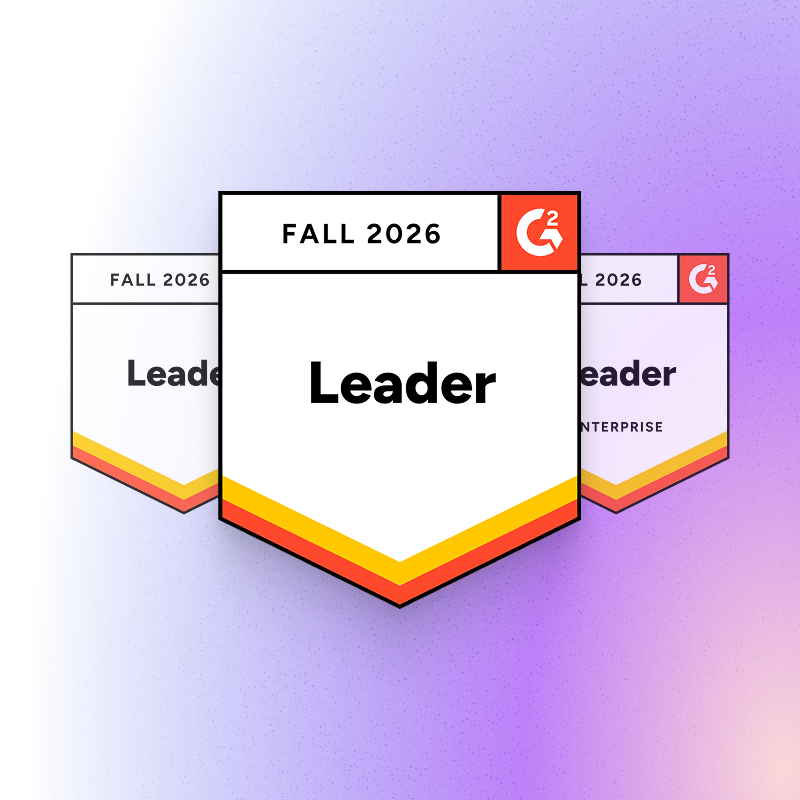
They all shared examples of how the boundaries between application development, AI agents, automation, and orchestration are rapidly disappearing as enterprise software evolves. That shift is becoming visible across the industry, and you can see it reflected in the latest G2 Grid® reports. What’s especially exciting is seeing OutSystems recognized as a leader across this evolving landscape.
OutSystems has been named a Leader across three AI G2 Grid categories. Here are a few stats from these reports that I’m especially proud of:
- OutSystems was ranked #1 in the Enterprise Grid® for AI App Builders.
- OutSystems achieved the highest Ease of Administration score in the Agentic AI Grid®, which included 216 vendors.
- 99% of users rated OutSystems 4 or 5 stars in the AI Agent Builders Grid.
Let’s dig into these reports a little more.
OutSystems in the G2 Grid: Validation directly from users
The G2 Grid Fall Reports have multiple categories for the platforms used to build the future of enterprise software. Three are focused exclusively on AI:
It’s an honor that our customers gave us such strong reviews that we were Leaders in all three. We also earned 127 badges and secured a Leader position across 11 categories total, which demonstrates the breadth of our platform and the value customers see across a wide range of enterprise software needs.
Beyond the numbers, there is valuable feedback. Here’s one example: “The platform’s push into agentic and AI-assisted development is where it becomes genuinely compelling. Being able to delegate scaffolding, pattern generation, and repetitive integration work to AI agents inside the IDE meaningfully shortens the development lifecycle. Just as importantly, those agents operate within the guardrails of governed platform components, rather than generating free-form code that you then have to audit line by line. That balance of autonomy with enforced consistency is difficult to achieve with a traditional coding stack.” (Read the full review here.)
How G2 defines the AI landscape
So, what does each G2 AI category mean? What should enterprise teams look for when evaluating these technologies? Here’s the rundown.
1. Agentic AI
This category includes software environments where autonomous or semi-autonomous systems plan, reason, make decisions, and execute multi-step workflows with minimal human intervention.
The agentic AI category shifts AI from answering questions to resolving tickets, processing complex claims, or flagging supply chain risks. As organizations evaluate tools aligned with agentic AI, enterprise buyers look beyond standalone models to solutions that combine model flexibility with strict governance guardrails.
2. AI Agent Builders
Development platforms and tool environments designed specifically to construct, test, prompt, and orchestrate AI agents are in this category. Development teams can use these platforms to rapidly build specialized agents grounded in real enterprise data.
To earn G2’s recognition as an AI agent builder, a platform must connect to core systems like SAP and Salesforce without friction. It should use standard frameworks (like Model Context Protocol) so agents actually have the context they need.
3. AI App Builders
In this category are the platforms that use generative AI and generative app capabilities to turn natural language prompts, specs, or visual designs directly into full-stack, production-grade applications.
AI app builders dramatically slash application backlogs by accelerating data modeling, UI creation, and logic generation. However, they still maintain clean architecture behind the scenes. The platforms included in this category bridge the gap between speed and reliability. The code generation is fast and maintainable over time.
Powered by our global community
Our recognition in the G2 Fall Reports reflects how much our customers trust OutSystems. The number of reviews they leave on G2 show how eager they are to share their experiences with our open, unified platform. That eagerness was on full display at the Bengaluru Developer Days, and it was a reminder that we have an incredible community ready to spread the agentic system platform love.
I’m so grateful to everyone who reaches out to share how OutSystems is helping them overcome challenges and build the agentic systems that make a difference. Your daily feedback, your passion for building complex systems, and your willingness to embrace new paradigms are what shape our roadmap. You inspire features and keep us focused on what actually matters in enterprise engineering.
Evaluating agentic AI platforms
If you’re exploring agentic AI solutions and evaluating the right platform for your organization, there are a few great ways to learn more:
- Read the new G2 Grid reports to see how users evaluated OutSystems across AI Agent Builders and AI App Builders.
- Schedule a personalized demo to see how OutSystems can support your specific goals, architecture, and AI strategy.