
Develop applications that drive revenue, reduce costs, and control risk—at internet scale
クラウドネイティブ時代に合わせて再構築した高性能ローコードで、開発者の生産性を大幅に引き上げることができます。





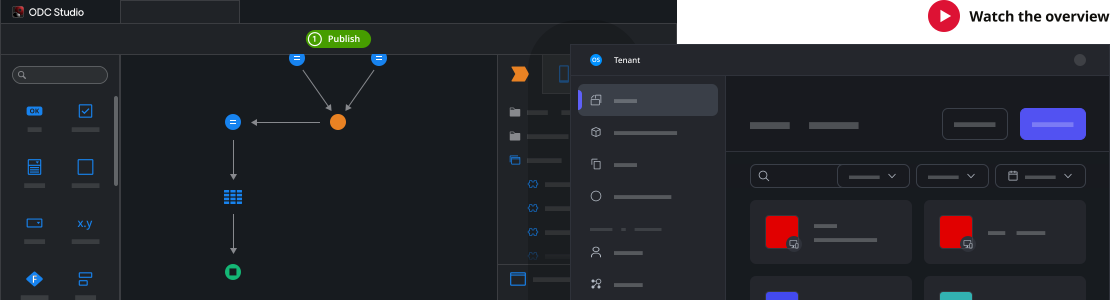
OutSystems Developer Cloudとは
OutSystems Developer Cloud(ODC)は、クラウドネイティブのローコードアプリケーション開発プラットフォームです。Amazon Web Services(AWS)のネイティブクラウドサービスを基盤とし、Kubernetes、Linuxコンテナ、マイクロサービスなどをサポートします。
OutSystems Developer Cloudのメリット
クラウドネイティブのアプリケーションプラットフォームを構築するには、平均200万ドルものコストがかかります。また、通常12~18か月の期間がかかります。ODCでは、OutSystems側で面倒な作業をすべて処理します。そのため、手を煩わせることなくクラウドネイティブならではの拡張性、セキュリティ、可用性を活かした設計を行うことができます。
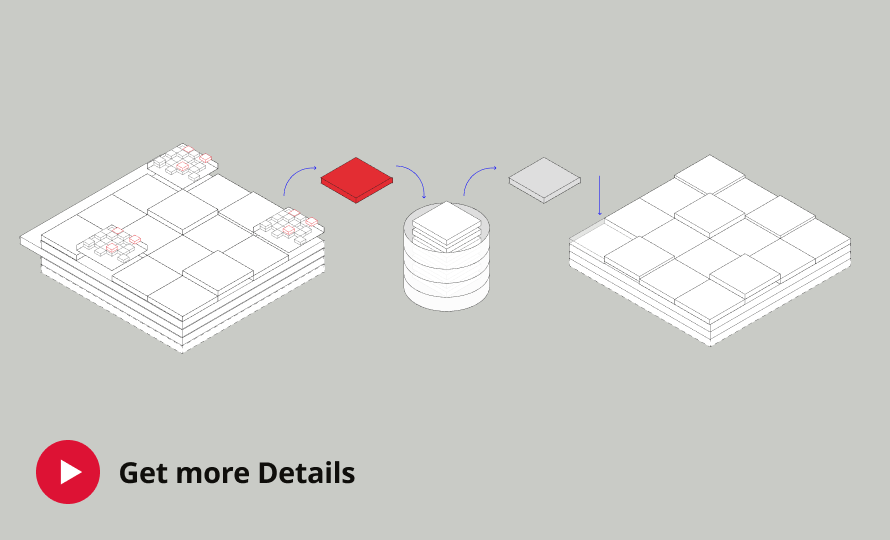
クラウドネイティブアーキテクチャ向けにリファクタリングされたローコードを使用すると、開発者が創造性や生産性を発揮し、ビジネスを成功に導くアプリを開発できるようになります。
クラウドネイティブアプリケーション開発要素のオートスケールが実装されているため、Kubernetesの知識を習得するコストや労力を削減できます。
ビジュアルモデリング、AI、自動化などを利用して開発、デプロイ、変更を一元的に行える単一のクラウドネイティブプラットフォームにより、チームのパフォーマンスを向上させます。
バックグラウンドのCI/CDパイプラインとプロセスを活用し、優秀なDevOps担当者と並ぶスピードや頻度でアプリをデリバリーできます。
アプリに影響を及ぼさずに進化するプラットフォームや、テクノロジーシフトに対応可能なアプリポートフォリオを実現するアーキテクチャのメリットを享受できます。
APIファーストを意識して構築されたクラウドネイティブプラットフォームにより、管理、監視、DevOps、認証、ガバナンスを簡単に行うために必要な拡張性を実現できます。
Developer Cloud FAQ
OutSystems Developer Cloud runs on AWS using Kubernetes for container orchestration and .NET Core on Linux containers. Each application runs in its own isolated container, improving scalability, resilience, deployment speed, and operational isolation.
ODC is available as a fully managed PaaS in the OutSystems cloud. Self-hosted deployment is designed to support customers that need more infrastructure control, including customer-managed Kubernetes environments. Self-hosted models are designed with platform services managed by OutSystems and runtime applications running in customer infrastructure.
ODC uses Amazon Aurora Serverless with PostgreSQL compatibility, a fully managed relational database service on AWS. It provides automatic scaling, high availability, automated backups, and PostgreSQL compatibility, allowing ODC to deliver a reliable and scalable database solution with minimal operational overhead.
ODC supports automatic scaling across multiple AWS availability zones using Kubernetes. Each application runs in an isolated container and can scale independently. This architecture helps improve high availability, reduce noisy-neighbor issues, support automatic failover, and provide resilience for applications with variable or high-volume demand.
ODC connects to on-premises systems through a secure private gateway. A cloud connector runs behind your firewall, and ODC connects over HTTPS. This helps avoid IP conflicts while allowing secure access to on-premises databases, APIs, and enterprise systems without moving your data.
Many commonly used Forge components have been migrated to ODC. During migration planning, assessment tools can identify which Forge components your applications use and whether ODC equivalents exist. Some third-party components may need to be rebuilt, replaced, or re-architected.
ODC uses container-based deployment, enabling faster releases and independent application updates. It provides a unified portal and supports modern DevOps practices through CI/CD APIs, built-in monitoring, tracing, and logging. Dependency updates can be handled per application without forcing broad portfolio-level changes.
OutSystems platforms comply with HIPAA, PCI DSS, and FedRAMP requirements and hold certifications including SOC 2 Type II and multiple ISO standards. Built-in security and governance controls help customers build compliant applications out of the box. OutSystems also complies with privacy laws such as GDPR. See the OutSystems Trust Center for current details.


高品質かつミッションクリティカルなアプリの構築
簡単な連携、AIによる検証、クラウドネイティブの拡張性、セキュリティ、レジリエンス、パフォーマンスにより、ミッションクリティカルなソフトウェアの要件をすべて満たすことができます。

既存のスタックからさらにその先へと広がる連携
複雑な連携を迅速に開発したり、400以上のシステムや既存のテクノロジー資産を網羅したビルド済みのコネクタを利用して、高性能かつ低遅延のデータアクセスを実現することができます。

クラウドネイティブの拡張性、セキュリティ、可用性を活用
既存のチームが優秀なクラウドネイティブ開発集団に変わります。パイロット版の作成から公開を前提としたデプロイまで、幅広い拡張が可能です。作成したアプリは保護されます。データ損失の心配をする必要もありません。

The Power of Low-Code on Kubernetes
Access this technical whitepaper to learn the benefits of using low-code Kubernetes for cloud-native development.


Cloud Development Made Easy
Embrace cost-effective cloud development. Save time with us.
