Make AI Your App Development Advantage: Learn Why and How
The future is agentic AI—is your business ready to build it?
Paulo Rosado 27. März 2025 • 5 Min. Lesezeit
This might interest you
Subscribe to the blog
By providing my email address, I agree to receive alerts and news about the OutSystems blog and new blog posts. What does this mean to you?
Your information will not be shared with any third parties and will be used in accordance with OutSystems privacy policy. You may manage your subscriptions or opt out at any time.

Get the latest low-code content right in your inbox.
Subscription Sucessful
2025 has brought even greater demands for IT leaders, who are now being asked to move from AI experimentation to delivering actual business gains. However, the future of digital solutions and the true potential of AI remain fuzzy, and this imposes a tremendous question mark in terms of what projects one should invest in: Am I building something that is secure or will I expose my company data? Am I using the right technology? Is this the right time to invest?
Generative AI is probably one of the biggest disruptions I have personally seen in the past 30 years: with it, software is changing, and the way we build it is changing, too.
The nature of software is changing
We have now basically gone through the first stage of what's called the generative AI era, which is the use of generative AI (through Large Language Models) embedded in applications. The introduction of generative AI, particularly conversational interfaces, is changing how people interact with applications. We also started seeing an increasing use of AI agents in digital systems.
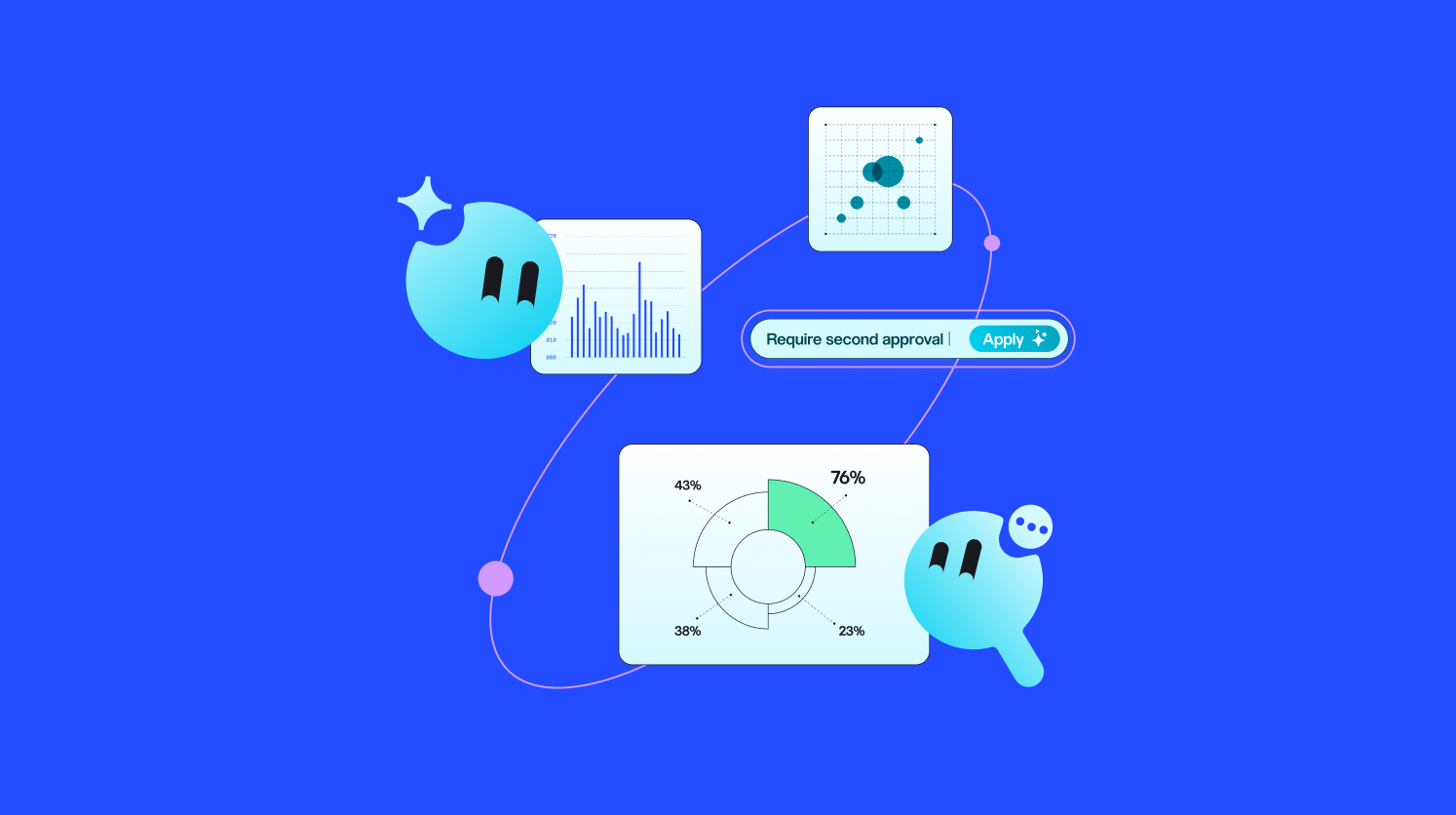
Now, this first wave of change isn't even solidified yet, and we're already hearing projections of a new one: agentic AI. In this next wave, agents become autonomous, making decisions related to business goals and objectives. They can reason and use adaptive memory. Business processes are supported by the orchestration of multi-agent workflows with or without human supervision.
A couple of months ago, OpenAI announced (although this was mostly overlooked due to DeepSeek) an AI agent that can use its own browser to perform tasks, such as online purchases, without requiring humans to even look at a website.
This has tremendous implications for how we will interact with interfaces and what digital systems will look like in the future. I believe that a large portion of enterprise applications will become focused on automating the reasoning or planning behind agentic tasks. At OutSystems, we're already working on the capacity to orchestrate predetermined workflows of agents who interact to execute complex tasks.
The devil is in the details
Companies are evaluating choices for what (and how) to build next with AI agents, trying to ensure that the systems they invest in stay relevant. Many continue to develop these solutions the old way, now with the help of gen AI copilots: creating code with generative AI and running that code.
But when we analyze the patterns of operating a system with AI agents, we realize that it is incredibly complex. To put one into production, you need a tremendous number of building blocks:
- Workflows
- User interface
- Data
- Integrations
None of these will disappear any time soon. There are also elements that surround your agents to ensure that the entire system remains functional and cost-effective (for instance, setting up a billing tool to count the number of tokens in use).
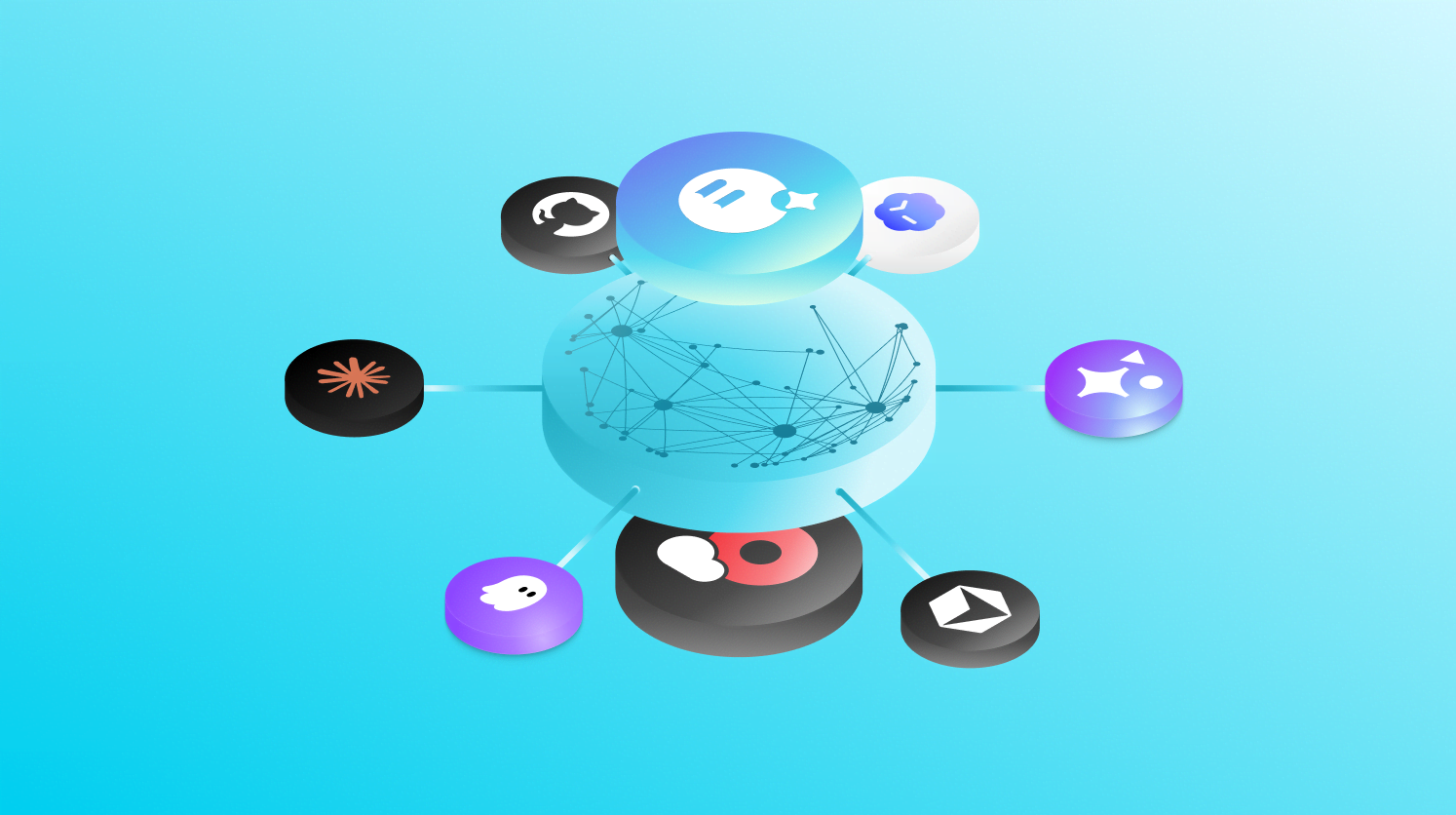
We already use OutSystems Developer Cloud (ODC) to build agentic solutions, and we know that the cost of supporting their lifecycles using traditional tools would be huge. This is why we invested so much in building a platform like this, which, because it is cloud-native and built to easily adapt to new technologies, allows not only the creation of AI agents with AI Agent Builder, but includes Mentor, a set of AI features to support the full lifecycle of future software.
Fundamentally, we see agents as another very relevant element in our low-code platform and offer the technology to create and support them out of the box, improving each phase of the SDLC with complete full-stack interoperability.
The future is AI-powered custom apps delivered by an AI-powered SDLC
Cycles of change have compressed to a point that it's very difficult to predict what will happen in more than 3 years. But first principles never change. One of them is that you will always need functionality that supports building end-user experiences (whether they're agentic or not).
Code generation and manipulation tools today are still lacking and can actually deter you from finding a path to success. The tradeoffs are there—unpredictability in code generation, lack of quality control, and security concerns, not to mention auditing and compliance in autonomous decision-making. Gartner's 2024 CIO Generative AI Survey showed that CIOs see GenAI as a career-enhancing opportunity but also recommends that they deepen their AI knowledge to avoid nasty surprises.
Now, because the OutSystems platform has been a code-generating platform for over 22 years, we have been working on those "surprises" for a long time. We know the importance of generating predetermined models with AI instead of code. We recognize the benefits of composability and support an architecture that allows you to change parts of a system without disrupting the whole. And we know that, just as full-stack developers do, AI agent developers need to have an integrated understanding of the entire application stack—from data to logic to UI—in order to map a business transformation idea into a useful app.
When we look ahead to the nature of digital systems of the future, we see that their structure is going to change dramatically. Companies may continue to buy SaaS but will now extend, connect, and orchestrate it with custom AI agents that can answer unique business needs. Enterprise systems will become a blend of off-the-shelf software with customizations powered by AI, and custom-built applications that can leverage the latest AI to drive competitive advantage. Simply put, the digital systems of tomorrow will be very similar to what we're building on OutSystems today.
To learn more, read this article about using OutSystems to fuel your AI future.
Paulo Rosado
Ich habe OutSystems 2001 mit der Vision gegründet, Kunden dabei zu helfen, schneller innovativ zu sein und die Art und Weise, wie Enterprise-Software entwickelt wird, grundlegend zu verändern. Dieser Vision bin ich treu geblieben und habe OutSystems zu einem weltweit führenden Unternehmen und Pionier auf dem Markt für Applikationsentwicklungsplattformen sowie zu einem der am schnellsten wachsenden B2B-Tech-Unternehmen der Welt gemacht. Zuvor war ich Co-Founder von Intervento, einem Unternehmen für E-Business-Software-Infrastruktur, das 1999 erfolgreich verkauft wurde. Darüber hinaus habe ich für Oracle Corp. gearbeitet, wo ich mehrere Positionen im Bereich Forschung und Entwicklung sowie im Produktmanagement innehatte. Ich habe an mehreren Weiterbildungsprogrammen im Bereich Unternehmensführung teilgenommen und verfüge über einen Master in Computer Science der Stanford University sowie einen Abschluss in Computer Engineering der Universidade Nova, Lissabon.
Alle Beiträge von diesem AutorForsyth Alexander
06. März 2025 7 Min. Lesezeit
Forsyth Alexander
25. Juli 2025 6 Min. Lesezeit
Paulo Rosado
15. Oktober 2024 5 Min. Lesezeit