Machine learning enables software to learn from data and improve performance iteratively. In the world of software development, this translates to predictive analytics, recommendation systems, and developer guidance, among other technical feats. For example, developers can use machine learning to analyze user interactions with an application to gain insights into user behavior and use them to improve user interfaces, personalize user experiences, and identify feature improvements. Another use of ML is the design and analysis of A/B tests to determine which performs better in terms of user engagement, conversion rates, or other key metrics.
Machine learning is also the foundation for AI-assisted development. Models developed from millions of anonymized code patterns recommend the correct tools and patterns for any developer situation during the development process. This enables them to take the best possible next steps in their application design. Also as part of AI-assisted development, algorithms handle code generation, testing, and debugging. Users create logic flows faster and with more confidence, even for complex tasks.
Conversational AI involves complex natural language processing, dialogue management, and user intent recognition. Conversational AI-powered chatbots or virtual assistants can help developers by providing code snippets, offering suggestions for solving coding problems, and generating boilerplate code based on natural language queries. They can be integrated into code editors and IDEs.
When part of a development platform, conversational AI can help developers find relevant documentation, tutorials, and code examples quickly. It can answer questions about APIs, libraries, and frameworks, making it easier for developers to learn and reference information. Along the same lines, it can provide new developers with onboarding guidance, tutorials, and answers to questions about coding standards and best practices. It can also offer personalized learning paths based on individual skill levels and goals.
The infusion of AI tools into software development brings an array of technical advantages that can significantly enhance the development process and user experience. Here's a technical breakdown of these benefits:
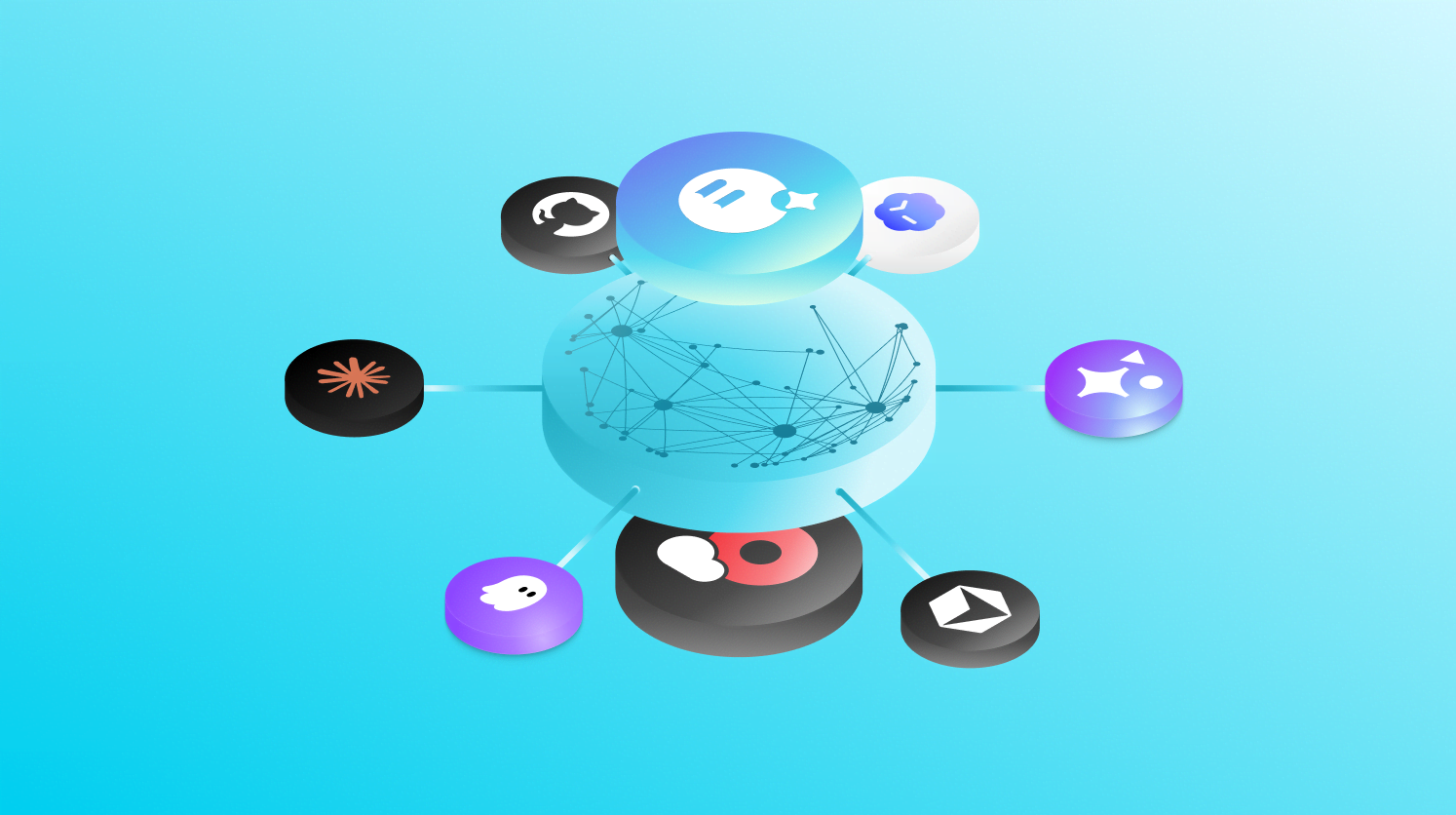
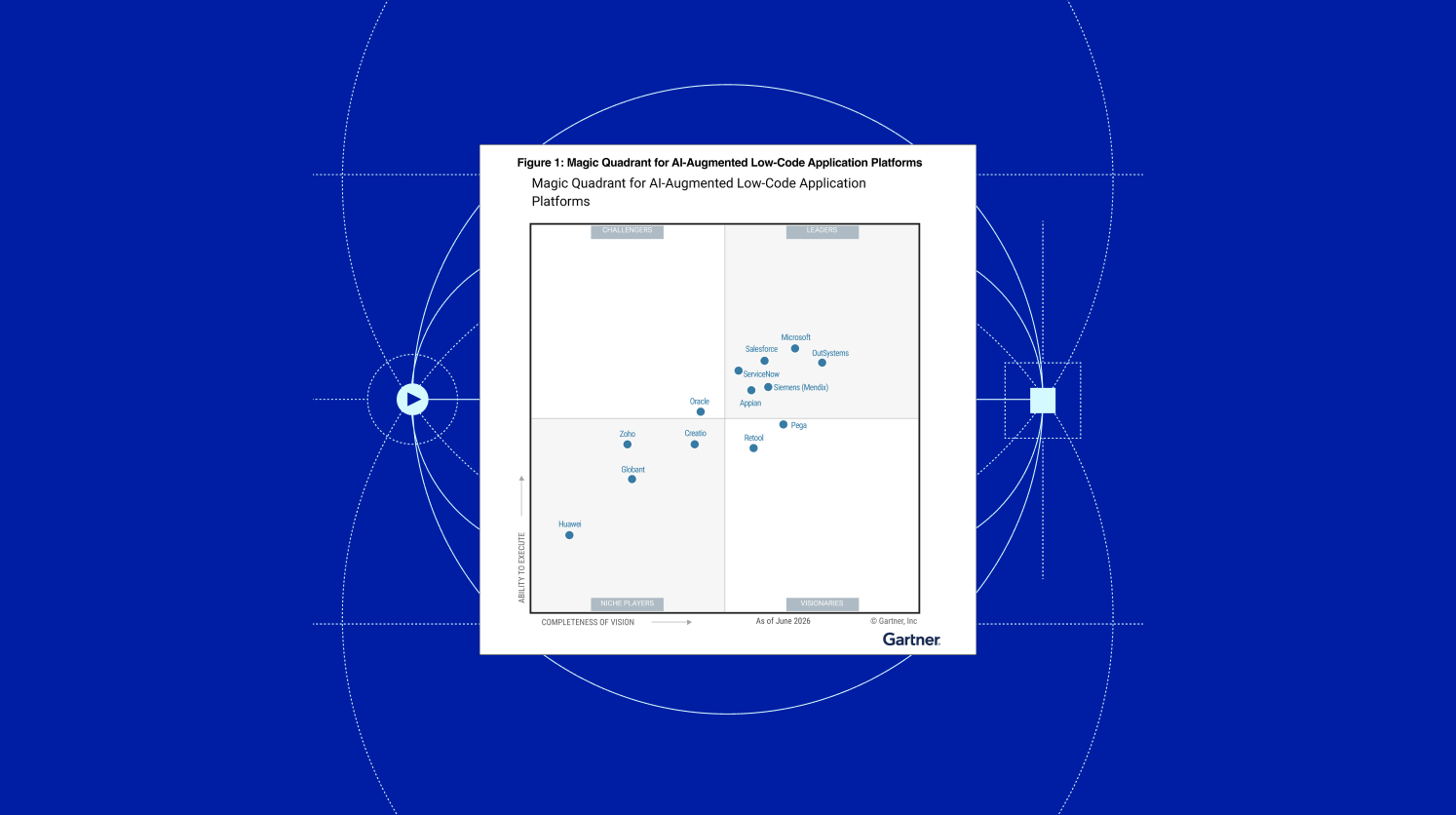
The ongoing quest here at OutSystems is to make the lives of your developers and IT teams easier by handling the mundane, routine, and repetitive aspects of building apps so they don’t have to. To that end, OutSystems has infused AI throughout our platform. Whether it’s having AI mentors guide them through development or adding AI or agents to their apps, your developers and IT teams encounter less friction and get more done faster. Let’s look at the two unique ways OutSystems does this.
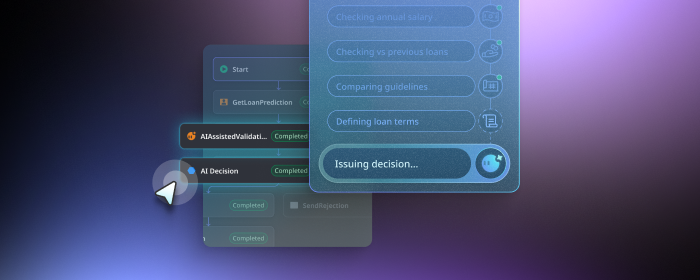
Mentor on OutSystems Developer Cloud supercharges development with generative AI, machine learning, and AI automation. Mentor generates fully functional apps and then guides developers through iteration, validating their work. With Mentor, developers can be more productive and produce higher quality applications, a benefit that establishes that OutSystems is a clear step ahead in AI development.
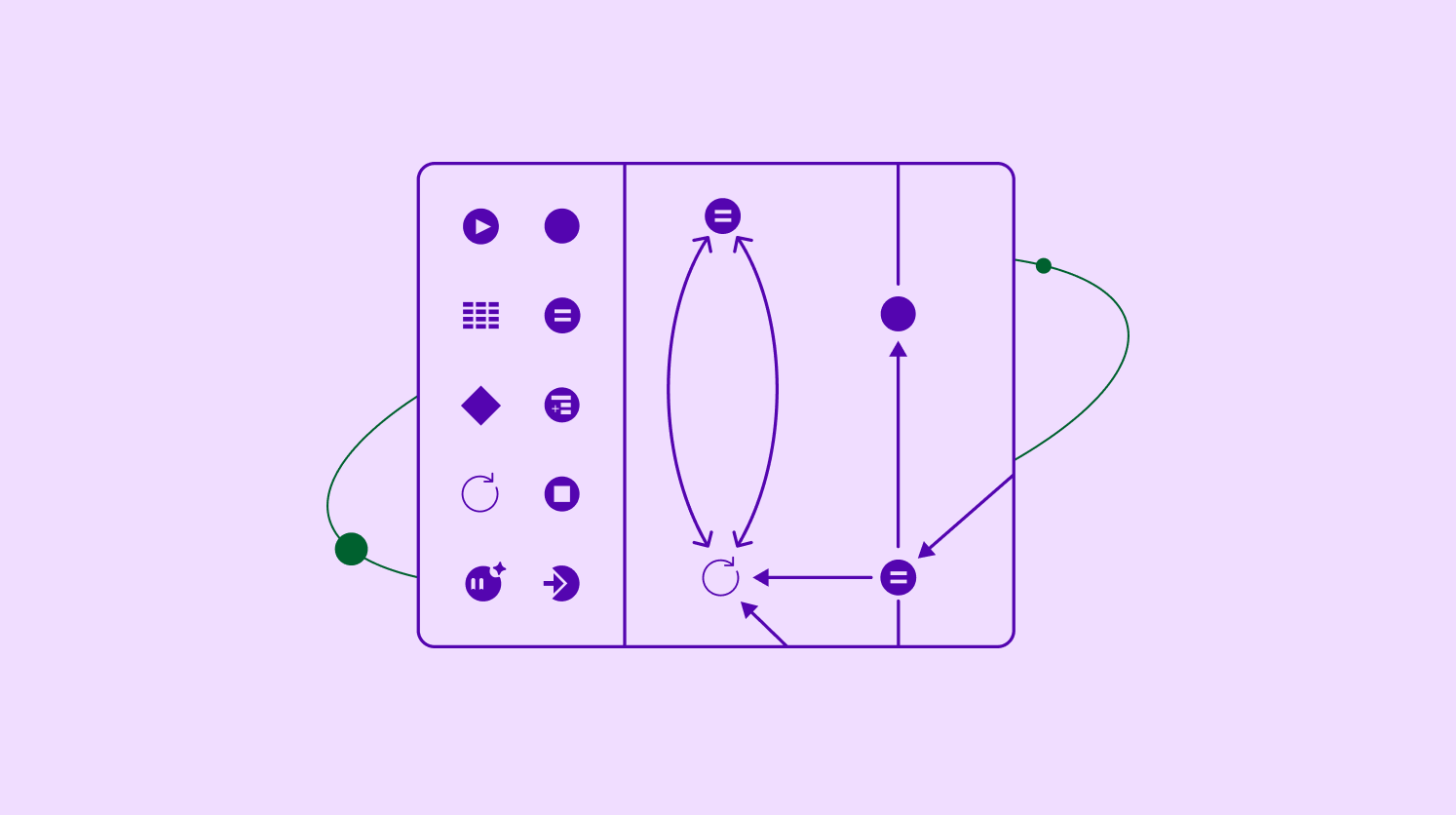
With Agent Workbench, an ODC capability, you can create custom agents that streamline operations, elevate experiences, and grow revenue, all on the AI development platform made for enterprise innovation. And you can do it faster, easier, and more securely than you ever thought possible. It provides a unified platform for the complete AI agent development lifecycle from creation to delivery and monitoring, with enterprise security and governance embedded at every step.
Customers who have adopted Agent Workbench are pleased with the results. "OutSystems Agent Workbench is special because I can start building agentic AI from scratch for any use case within one or two weeks. It's the first enterprise-purpose agent builder I've made real progress with,” says Erik Looi, CDO, AllianceCorp Manufacturing.
The next phase of AI-powered software development is one where developers will take center stage, delegating grunt work and tedious repetitive tasks to agents. For example, a suite of capabilities from OutSystems, currently in advanced stages of development, will use generative AI to transform conversational prompts provided by developers into fully functional agents and applications. Your developers will be able to use natural language inputs to describe what they want so that a wider talent pool can contribute to app development. This transformative capability can redefine software development.
If your developers don’t have a clear picture of what they want to build they can share their intent, and OutSystems will provide suggestions and then accelerate the iteration cycle. The end result will be applications with the same level of scalability, resiliency, and security as any other OutSystems-built app. This is just a taste of what’s on our AI-powered menu. There’s a lot more to come.
In conclusion, AI is a game-changer in software development. Its technical potential, from automation to predictive modeling, is reshaping the industry. For tech enthusiasts, embracing AI tools and technologies isn't just an option; it's an imperative for staying competitive in the digital age. OutSystems is committed to making sure that your developers and IT teams are using the best AI tech–inside our platform and out in the wild of their applications. Join us in this technical journey into the future of AI software development with OutSystems and usher in a new era of technology.
If you’re more interested in the present, and you’d like to see OutSystems AI in action, schedule a demo today.
Lorem ipsum dolor sit amet, consectetur adipiscing elit, sed do eiusmod tempor incididunt ut labore et dolore magna aliqua. Ut enim ad minim veniam, quis nostrud exercitation ullamco laboris nisi ut aliquip ex ea commodo consequat. Duis aute irure dolor in reprehenderit in voluptate velit esse cillum dolore eu fugiat nulla pariatur.
Block quote
Ordered list
Unordered list
Bold text
Emphasis
Superscript
Subscript