How is enterprise software evolving?
Enterprises have traditionally had two options when it came to the systems that served as their technology backbones: enterprise software vs. SaaS or commercial off-the-shelf (COTS)—a dilemma often known as “build vs. buy.” Building enterprise software solutions from the ground up allowed organizations to incorporate their unique business logic into their systems and create a competitive advantage—albeit at a high cost of time, resources, and infrastructure. Given that 74% of organizations plan to build 10 or more apps over the next 12 months, that could all add up very quickly. But buying SaaS or COTS solutions has its challenges too, often leading to complex, fragmented IT landscapes and SaaS sprawl.
Neither SaaS, COTS, nor standard development methods are flexible enough to keep up with the pace of change. However, several advancements are changing the future of software development so teams can build unique solutions in non-traditional ways.
Code generation, AI app builders, and agentic AI
AI-driven software development greatly accelerates the "build" side of the build vs. buy equation. Generative AI creates code based on natural-language input, and app builders deliver applications in various states of functionality. Unsurprisingly, code generation and app builders are not a cure-all. Human intelligence and creativity continue to be critical ingredients in application development. Another type of artificial intelligence, agentic AI, can enable companies to automate complex end-to-end enterprise application development workflows with less oversight. Depending on what type of agentic artificial intelligence solution you choose, it can humanize digital experiences that enhance customer interactions and drive new levels of productivity. Agentic AI is the force behind AI agents that can set their own goals, make decisions, and adapt, which leads to intelligently evolving software.
Cloud-native applications
Migrating enterprise workloads to the cloud is a critical first step in digital transformation for good reason. Cloud-native applications (whether built or bought) can scale rapidly to adapt to shifting workloads. No costly on-premises infrastructure is needed to run them, and they take advantage of modern architectures such as microservices. What’s more, these applications tend to integrate more readily with one another, sharing data to reduce errors and provide greater business insights.
Low-code development
Low-code is a revolutionary approach to building customized, enterprise-grade software solutions without the complexity of standard coding or the limitations of COTS. Low-code platforms replace standard coding with a drag-and-drop visual interface. They play a vital role in enabling faster development. When low-code is combined with AI, you have a force multiplier for speedy development. Integrated AI builder functionality and agentic AI enable you to streamline app creation, delivery, and monitoring. They ease the process of building complex AI agents and orchestrate multi-agent workflows, no additional AI skills required. They also support cloud-native application development, making them an ideal solution to enable an enterprise software strategy. In fact, AI-powered low-code is so critical to accelerating modern enterprise application development that it deserves a closer look.
How low-code is disrupting standard enterprise development
While standard development requires extensive coding expertise, low-code platforms provide pre-built components, generative AI, app builders, agentic AI toolsets, and interfaces that accelerate the development process. With modern low-code, you can:
- Accelerate AI innovation: Modern low-code makes it easier to use next-generation technologies like AI to accelerate development speed and efficiency, build complex autonomous agents, and orchestrate multi-agent workflows to meet any business need.
- Build mission-critical applications faster: If you think that all you can do with low-code is crank out simple apps for expense reports or password resets, think again. With modern low-code, you can build the complex, deeply integrated software your organization depends on day in and day out—software that is scalable, secure, and compliant.
- Modernize legacy tech without disruption: As CIOs increasingly prioritize cost optimization and rethink investments in outdated platforms, low-code offers a pathway to modernize and streamline these systems without putting current processes at risk, turning them into efficient and connected solutions.
OutSystems fixes enterprise software challenges
OutSystems addresses the challenges of standard enterprise software development by offering a modern AI-powered low-code platform with integrated AI and automation capabilities that help teams build enterprise-grade software faster and easier than ever before. Here are just a few of the things you and your team can do with OutSystems.
Build applications up to 10x faster with AI
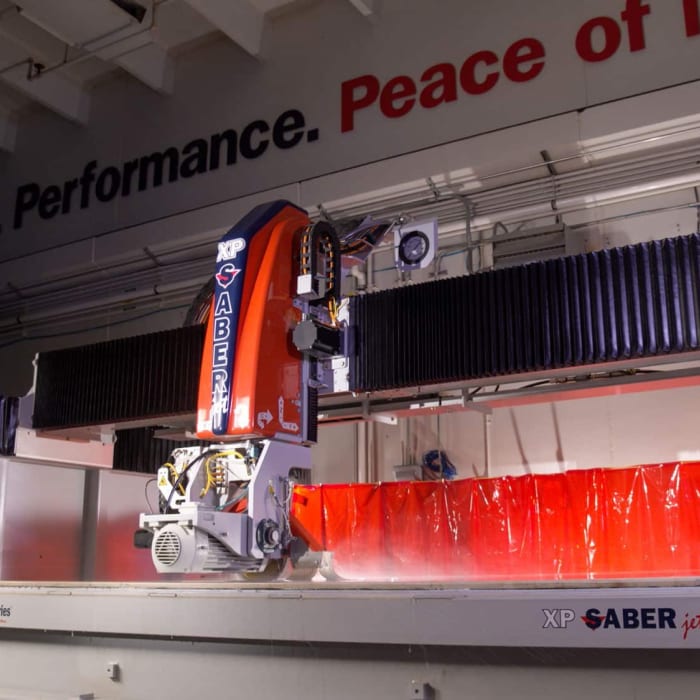
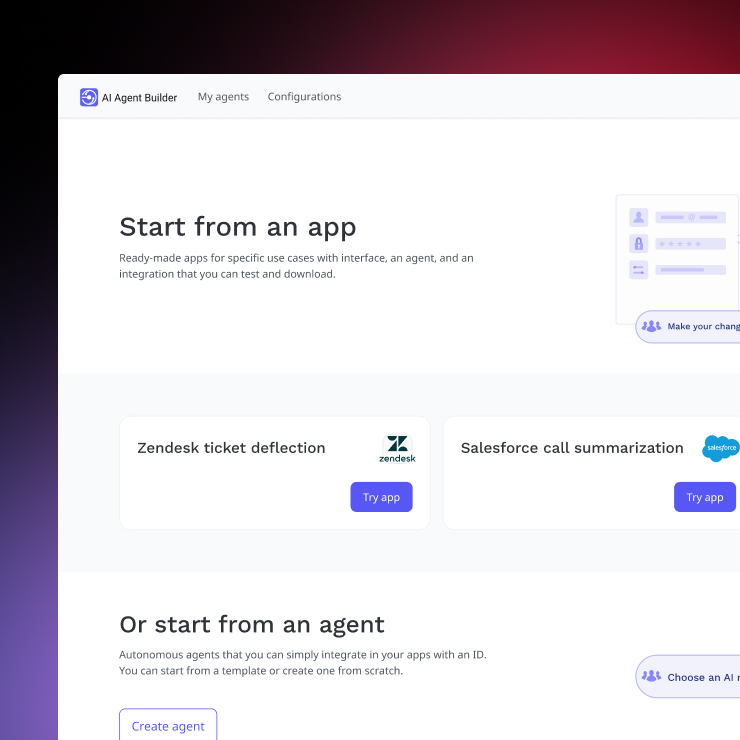
OutSystems dramatically accelerates application development and modernization, significantly reducing the amount of standard coding required and allowing organizations to deliver applications much faster than with conventional methods. For example, Park Industries reported 10x faster development after adopting the OutSystems platform. In addition, OutSystems Mentor increases the speed of development by automating repetitive tasks, streamlining the software development lifecycle (SDLC), and generating full-stack applications from natural prompts. Plus, Agent Workbench provides an easy way to use agentic AI to differentiate your business, helping you integrate AI agents into apps in minutes, not months.
Seamlessly integrate with ERP, CRM, and cloud platforms
A major pain point in enterprise software development is the difficulty of integrating disparate systems. OutSystems addresses this by providing pre-built integrations and an architecture designed for seamless connectivity. OutSystems also offers an extensive ecosystem of AI connectors, enabling customers to quickly build AI-powered applications using services from major providers like Microsoft, Google, and Amazon. As Ashley Doody, Chief Product and Technology Officer at Matrix, puts it: "Speed to market is key, so being able to easily leverage OutSystems Forge's AI connectors to Azure and AWS is such a helpful accelerator.”
Create scalable, secure, and compliant solutions for enterprise needs
Enterprise-grade security and compliance are fundamental aspects of the OutSystems platform, crucial for handling sensitive enterprise data and meeting regulatory requirements. The platform boasts a cloud-native architecture, enabling applications built on OutSystems to scale effectively to meet fluctuating demands.
Customize without the complexity
The OutSystems low-code environment provides full-stack development capabilities, allowing developers to customize every aspect of their applications when needed. Because the platform is designed to simplify application development, customization and updates are less complex than standard methods that require extensive manual coding. Mentor, visual development, and pre-built components reduce repetitive coding and streamline the customization process.
If you’d like to learn more about the OutSystems enterprise software development platform, visit outsystems.com/low-code-platform.
OutSystems: AI-powered low-code enterprise development in action
AI-powered low-code is redefining how IT teams deliver modern enterprise applications. Here are just a few examples of organizations building enterprise software solutions with OutSystems:
To see how they and others did it, download the e-book: “Mission-critical software: Delivered.”